- Homepage
- >
- Rubber Moulding
- >
- EPDM Rubber Moulding
Custom EPDM Moulding:
Durable & Weatherproof Rubber Components
We provide bespoke EPDM moulding services to create custom rubber components that are highly durable and resistant to weather, UV, and extreme temperatures

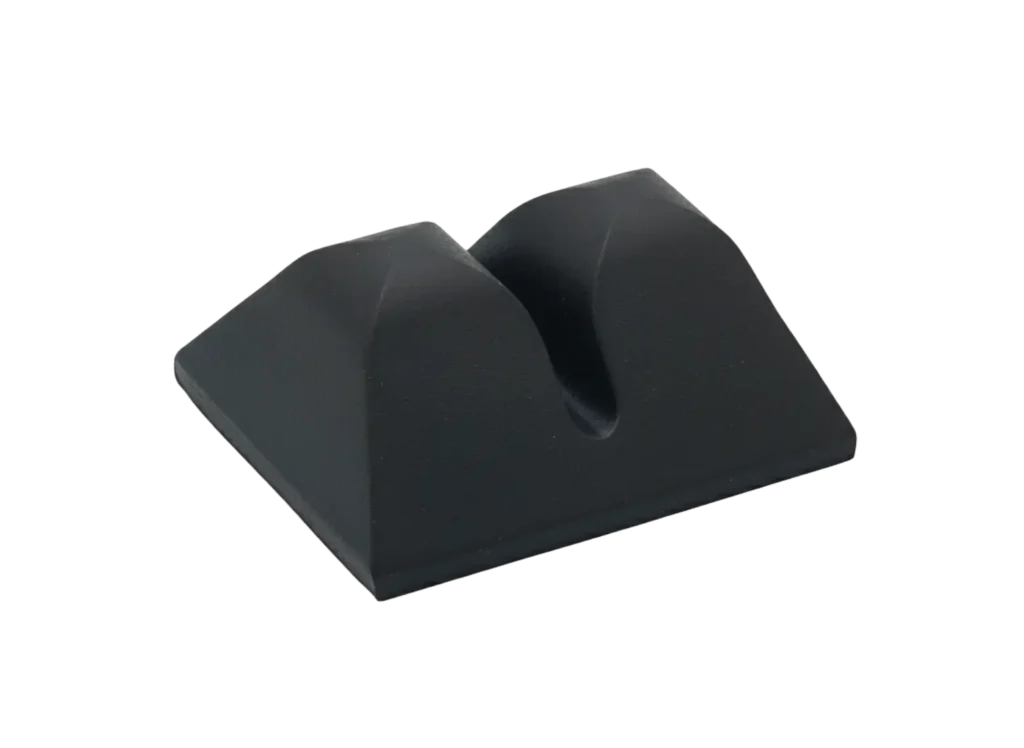
High-Performance EPDM Components, Engineered for Extreme Environments
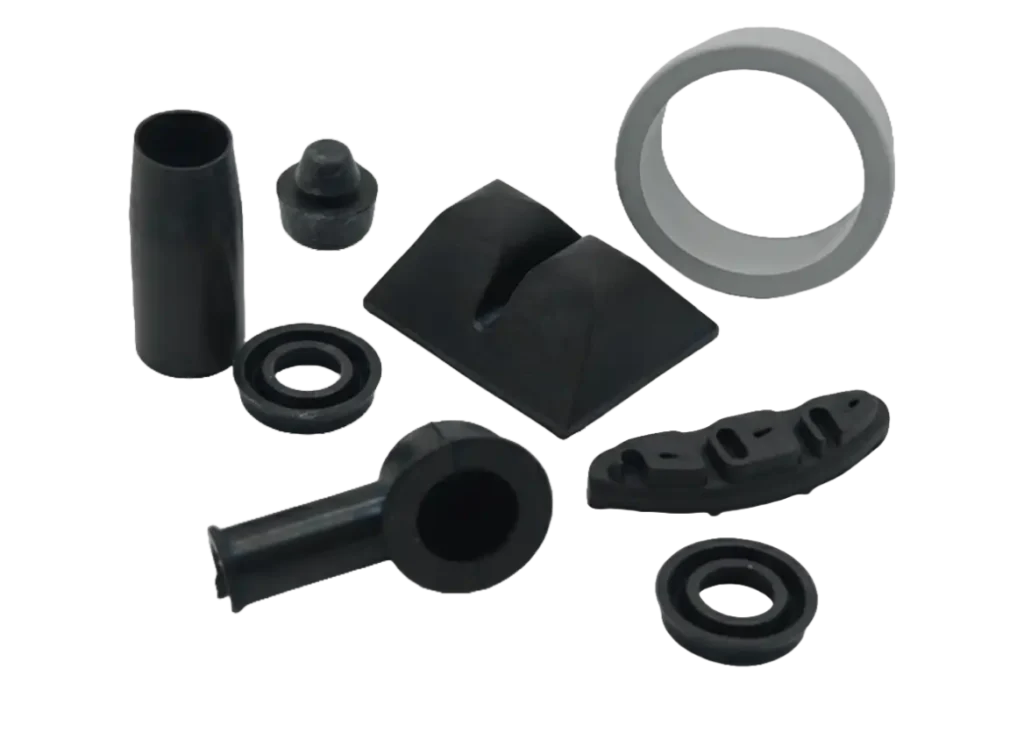
What is EPDM Rubber Moulding?
EPDM moulding is a manufacturing process for creating parts from Ethylene Propylene Diene Monomer, a high-density synthetic rubber. The process involves shaping the raw EPDM compound using a custom mould under specific conditions of heat and pressure. This vulcanization process creates strong cross-links within the polymer, resulting in a stable, elastic, and extremely durable final product.
The remarkable stability of EPDM comes from its chemical structure. It features a chemically saturated polymer backbone, which makes it inherently resistant to attack from atmospheric agents like ozone, UV light, and oxygen. The “diene monomer” component is incorporated in small amounts to allow for efficient vulcanization (curing) without compromising this stable backbone.
This makes EPDM fundamentally different from rubbers like Nitrile (NBR), whose unsaturated backbones are more susceptible to environmental degradation but offer excellent oil resistance.
Our EPDM Rubber Availability
View the table below for a detailed breakdown of the available colours, hardness ranges, and specialist grades for EPDM and other common elastomers we offer.
| Material | Available Colours | Hardness (Shore A) | Specialist Grade Availability |
|---|---|---|---|
| EPDM | Black (standard), Blue, Biege | 35 - 90 | FDA, WRAS,Flame Retardant, EN45545-2, Antistatic/Conductive, Oil-Resistant, |
| Nitrile (NBR) | Black, (standard) Blue, Red, Brown | 40 - 90 | HNBR, XNBR, FDA, Metal Detectable, BS2751 |
| Natural Rubber (NR) | Black (standard) | 35 - 90 | FDA, Construction BS1154 |
| Neoprene (CR) | Black (standard) | 50 - 85 | Flame Retardant, BS2752 |
| FKM (Viton™) | Black (standard), Blue, Brown | 50 - 90 | FDA |
| Silicone (VMQ) | Translucent (natural) , All Colours | 20 - 80 | FDA, WRAS, Platinum Cured, Metal Detectable, Flame Retardant, EN45545-2 |
Key Properties & Advantages of Moulded EPDM
Choosing EPDM for your moulded components provides a unique set of advantages, making it the premier choice for outdoor and water-related applications.

Excellent Water & Steam Resistance
EPDM exhibits extremely low water absorption and is highly resistant to both hot and cold water, as well as steam. It’s a first-class material for seals and gaskets in plumbing, HVAC systems, and automotive cooling systems. With the proper certifications (e.g., WRAS, NSF/ANSI 61), it is an excellent choice for components in contact with potable (drinking) water.

Very Wide Operating Temperature Range
Moulded EPDM parts perform reliably across an impressive temperature spectrum, typically from -50°C to +150°C (-58°F to +302°F). This stability at both low and high temperatures allows it to be used in everything from freezer seals to high-temperature automotive hoses without becoming brittle or deforming.

Great Electrical Insulation Properties
EPDM is an excellent electrical insulator, possessing high dielectric strength and resistivity. This makes it a safe and reliable material for manufacturing electrical cable insulation, connector boots, grommets, and switchgear housing seals, preventing the flow of electric current.

Good Resistance to Polar Solvents and Chemicals
EPDM stands up well to a variety of chemicals, particularly polar substances such as alkalis, ketones, and dilute acids. It is also resistant to many hydraulic fluids that are not petroleum-based.
The Critical Imitation: Poor Oil and Fuel Resistance
The primary weakness of EPDM is its poor resistance to non-polar hydrocarbon fluids. It will swell, soften, and degrade significantly upon contact with petroleum-based oils, gasoline, kerosene, and aromatic hydrocarbons. It should NOT be used for fuel line seals, oil gaskets, or most hydraulic oil applications. For these uses, Nitrile (NBR) is the appropriate choice.
Compare the Properties of EPDM Against other Elastomers
Explore this comprehensive comparison table detailing the resistance, temperature range, and mechanical performance of EPDM rubber compared to common elastomers like Neoprene, Silicone, FKM (Viton), and Natural Rubber for various industrial applications.
| Property | Neoprene (CR) | Nitrile (NBR) | EPDM | Natural Rubber | FKM (Viton(tm)) | Silicone (VMQ) |
|---|---|---|---|---|---|---|
| Primary Attribute | Versatile All-Rounder | Oil and Fuel Resistant | Weather & Water Resistant | High Mechanical Strength | Extreme Heat and Chemical Resistant | Extreme Temperature Range |
| Abrasion Resistance | ⭐⭐⭐⭐ | ⭐⭐⭐ | ⭐⭐⭐ | ⭐⭐⭐⭐⭐ | ⭐⭐⭐ | ⭐ |
| Tear Resistance | ⭐⭐⭐⭐ | ⭐⭐⭐ | ⭐⭐⭐ | ⭐⭐⭐⭐⭐ | ⭐⭐ | ⭐⭐ |
| Tensile Strength | ⭐⭐⭐⭐ | ⭐⭐⭐⭐ | ⭐⭐⭐ | ⭐⭐⭐⭐⭐ | ⭐⭐⭐⭐ | ⭐⭐ |
| Resilience / Rebound | ⭐⭐⭐⭐ | ⭐⭐⭐ | ⭐⭐⭐⭐ | ⭐⭐⭐⭐⭐ | ⭐⭐ | ⭐⭐⭐ |
| Weather / Ozone / UV | ⭐⭐⭐⭐ | ⭐ | ⭐⭐⭐⭐⭐ | ⭐ | ⭐⭐⭐⭐⭐ | ⭐⭐⭐⭐⭐ |
| Water & Steam Resistance | ⭐⭐⭐⭐ | ⭐⭐⭐ | ⭐⭐⭐⭐⭐ | ⭐⭐⭐ | ⭐⭐⭐ | ⭐⭐⭐⭐ |
| Oil & Fuel Resistance | ⭐⭐⭐ | ⭐⭐⭐⭐⭐ | ⭐ | ⭐ | ⭐⭐⭐⭐⭐ | ⭐ |
| Acid & Alkali Resistance | ⭐⭐⭐⭐ | ⭐⭐⭐ | ⭐⭐⭐⭐⭐ | ⭐⭐⭐ | ⭐⭐⭐⭐⭐ | ⭐⭐⭐ |
| Flame Resistance | ⭐⭐⭐⭐ | ⭐ | ⭐ | ⭐ | ⭐⭐⭐⭐⭐ | ⭐⭐⭐⭐ |
| Temperature Range (Typical) | -40°C to 120°C | -35°C to 120°C | -50°C to 150°C | -50°C to 80°C | -20°C to 205°C | -60°C to 200°C |
| Cost | £££ | ££ | £££ | £ | £££££ | ££££ |
A Closer Look at Our EPDM Moulding Processes
We match the manufacturing process to your project’s specific needs, ensuring optimal quality, cost-effectiveness, and precision for any production volume.
EPDM Injection Moulding
Best suited for high-volume production of complex parts, EPDM injection moulding offers speed and precision.
- The Process: Raw EPDM is heated and injected under high pressure into a multi-cavity mould, allowing for fast, automated production cycles..
- Advantages: Ideal for intricate geometries, tight tolerances, and the lowest per-part cost at high volumes.
- Best For: Automotive seals, electrical connectors, wire pass-through grommets, and small, complex gaskets.

EPDM Compression Moulding
This reliable and cost-effective method is perfect for larger, less intricate parts and low-to-medium volume production runs.
- The Process: A pre-measured amount of EPDM is placed into a heated mould cavity, which is then pressed closed, forcing the material to fill the shape as it cures.
- Advantages: Lower initial tooling investment, suitable for very large parts and high-hardness compounds.
- Best for:Large construction gaskets, roofing components, anti-vibration pads, and bridge bearing pads.

EPDM Transfer Moulding
A hybrid process that provides tighter tolerances than compression moulding, making it suitable for more detailed designs and parts requiring inserts.
- The Process: EPDM is placed in a separate chamber and forced into the closed mould cavities through channels.
- Advantages: Allows for the over-moulding of metal or plastic inserts and creates more complex parts than traditional compression moulding.
- Best For: Parts with delicate metal inserts, complex seal profiles, and medium-volume production.

Precision-Engineered EPDM Moulded Components
Explore our core range of custom EPDM rubber components, specifically engineered to deliver superior, long-term performance in demanding outdoor and high-temperature environments. These parts leverage EPDM’s exceptional resistance to ozone, UV light, weathering, and steam, making them indispensable for automotive cooling systems, outdoor sealing, and electrical insulation applications. View our key moulded seals and bellows below, all manufactured with precision for high-integrity sealing and protection.
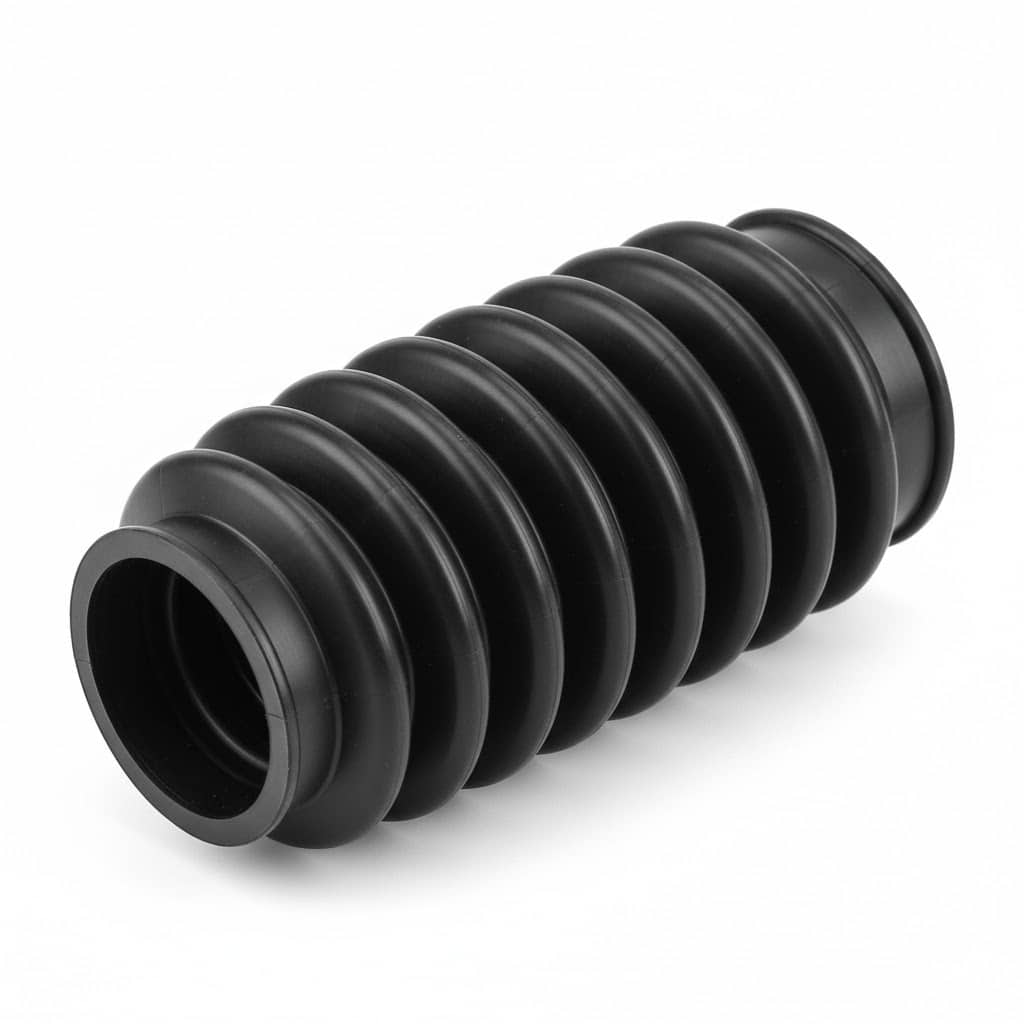
Rubber Bellows
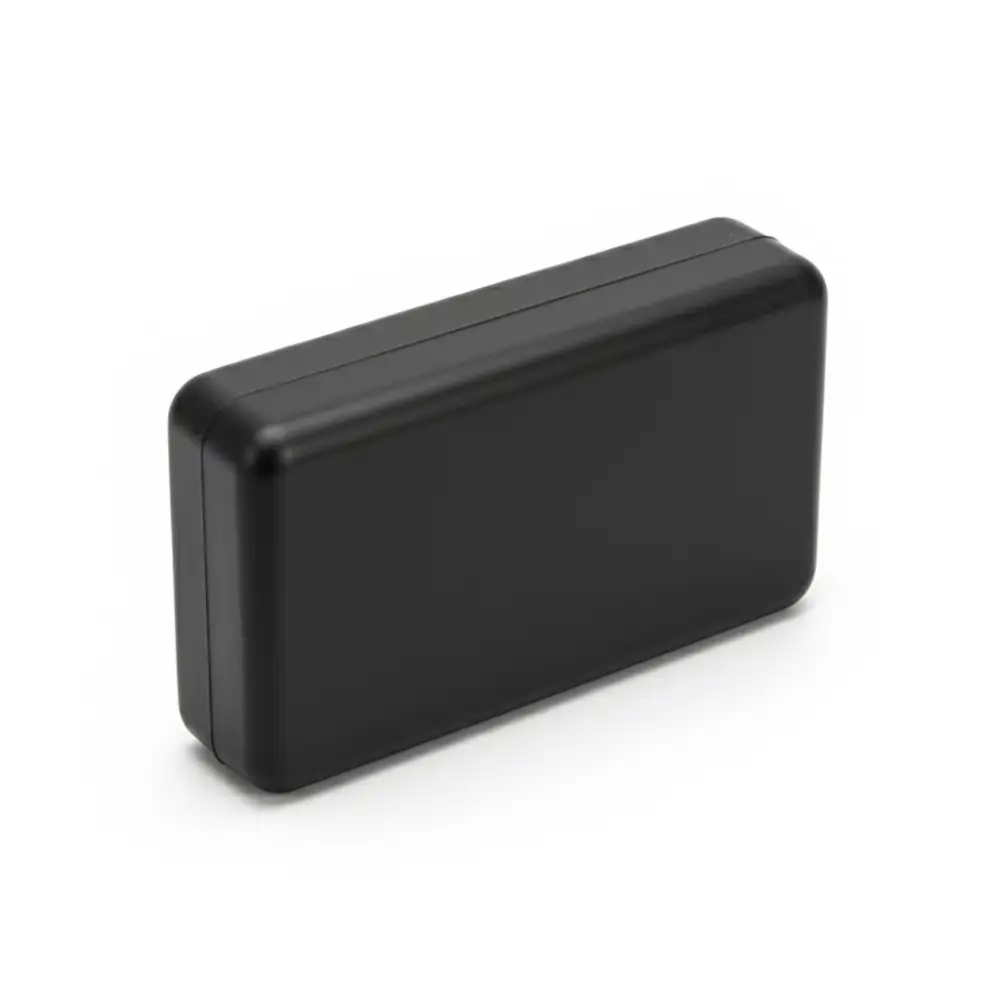
Rubber Blocks
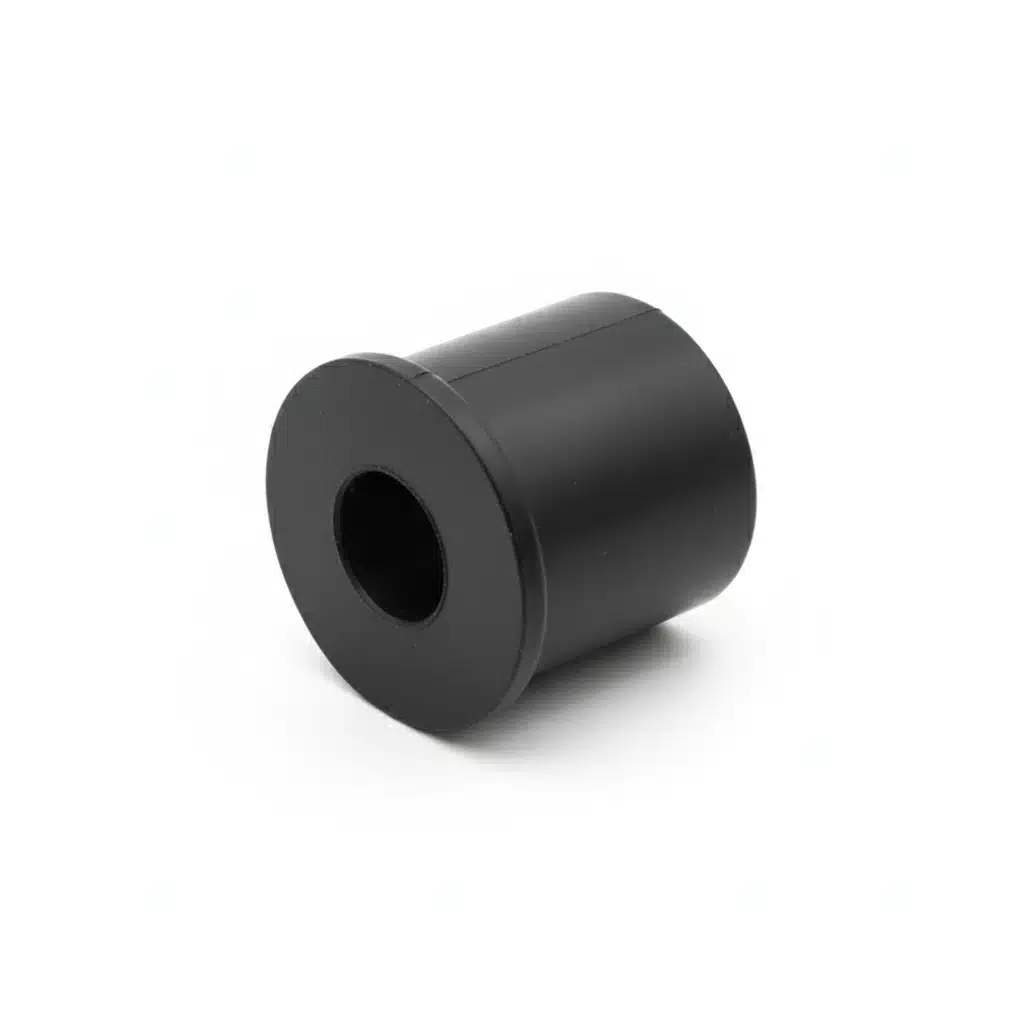
Rubber Bushes
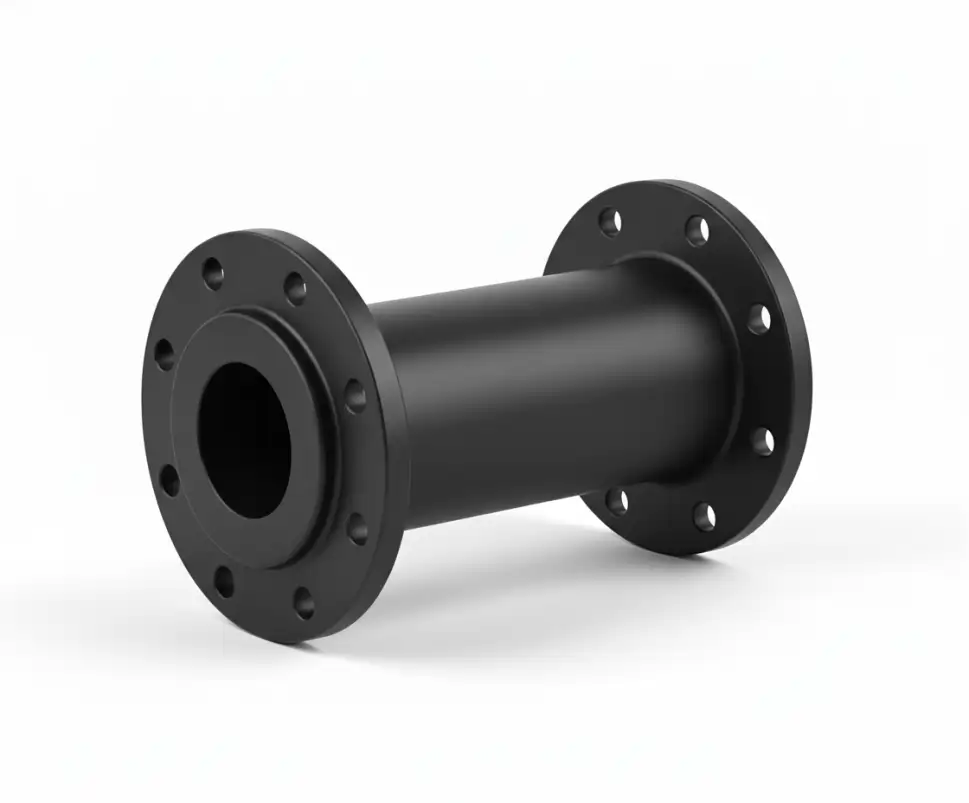
Rubber Flanges
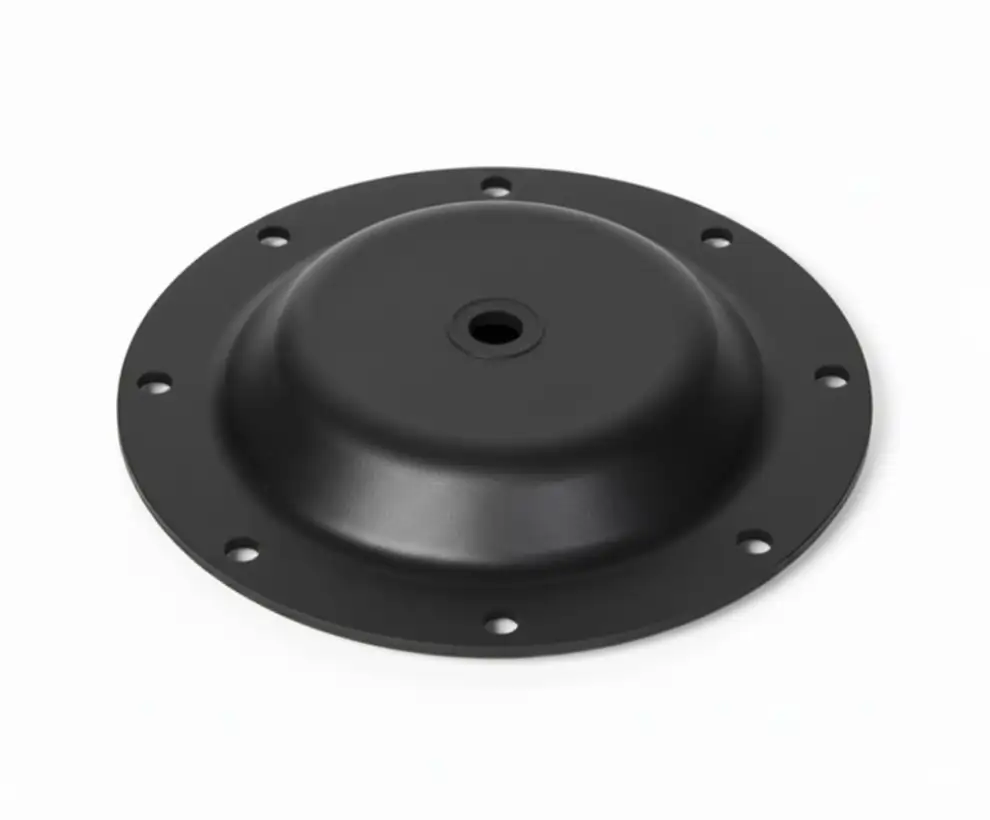
Rubber Diaphragms
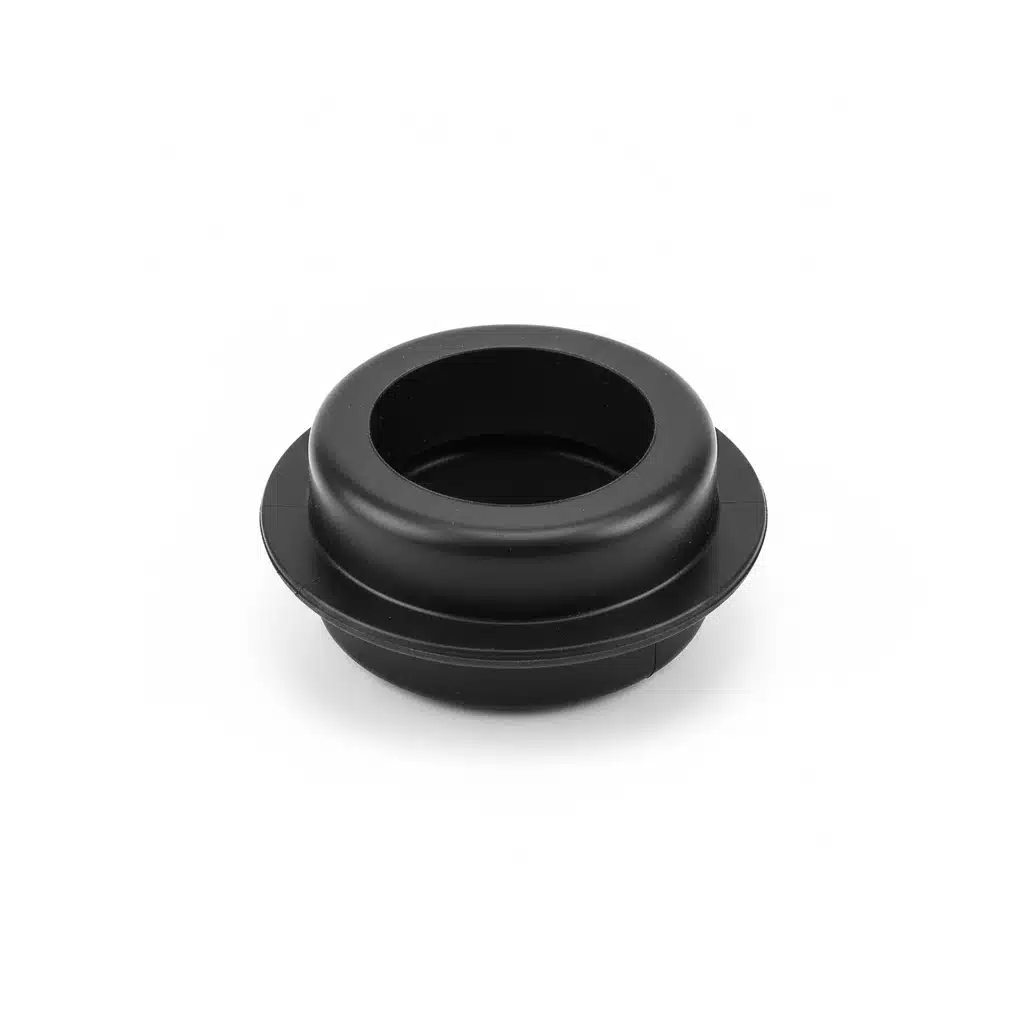
Rubber Grommets
Applications & Industries We Serve
EPDM’s unique resistance to the environment makes it a cornerstone material in many key sectors:

Automotive
The primary material for weather seals, window and door gaskets, trunk seals, radiator and heater hoses, and wire harnesses due to its durability and resistance to weathering and heat.

Construction
The primary material for weather seals, window and door gaskets, trunk seals, radiator and heater hoses, and wire harnesses due to its durability and resistance to weathering and heat.

HVAC & Appliances
Essential for seals, gaskets, tubing, and grommets in washing machines, dishwashers, and heating/cooling systems that handle water and steam

Electrical
The material of choice for low and medium-voltage cable insulation, electrical connector boots, and outdoor enclosure seals due to its excellent dielectric properties.

Water Management
Widely used for O-rings, gaskets, and seals in potable water systems, valves, and pumps, often requiring WRAS or NSF certification.

Agricultural and Industrial Machinery
Used for vibration isolators, gaskets, bellows, and grommets, offering durability and resistance to abrasion, chemicals, and outdoor elements for long-lasting machinery performance.
Frequently Asked Questions About EPDM Moulding
What is the main difference between EPDM and Silicone rubber?
Both have excellent weather resistance and wide temperature ranges. However, Silicone generally performs better at extreme high and low temperatures and is inherently pure, making it ideal for medical and food-grade applications. EPDM typically offers better abrasion, tear, and water/steam resistance and is often more cost-effective.
Is EPDM truly UV resistant?
Yes. EPDM’s chemically saturated backbone makes it one of the most UV-resistant rubbers available. It does not require special additives to prevent degradation from sunlight, making it perfect for long-term outdoor use.
Can EPDM be used with gasoline or mineral oil?
No, absolutely not. EPDM will swell, weaken, and degrade rapidly in the presence of hydrocarbon fuels and oils. For these applications, materials like Nitrile (NBR) or Viton® (FKM) must be used.
Are EPDM mouldings suitable for drinking water applications?
Yes, EPDM can be formulated to meet WRAS or NSF/ANSI 61 standards for potable water. Please specify if certification is required.
Can EPDM rubber be recycled
EPDM is recyclable, and we can discuss sustainable options for your project if environmental impact is a priority.
Why Choose Viking Extrusions?
Advanced Polymer Know-How
Our engineers understand the nuances of EPDM, from ozone resistance to dynamic sealing, ensuring optimal performance in harsh environments.

Certified Quality Systems
Our ISO 9001 certified processes include thorough checks at every stage, ensuring EPDM parts meet your specifications
Lean Manufacturing Efficiency
We optimise production timelines to help you launch faster, with no compromise on durability or compliance.
Customer-Centric Collaboration
We treat your project as our own, offering proactive communication and tailored solutions for EPDM applications.
Ready to start your next EPDM moulding project?
Let our experts help you manufacture the perfect custom component.
Contact us today for a no-obligation quote and a detailed engineering consultation.