- Homepage
- >
- Rubber Moulding
- >
- Silicone Rubber Moulding
Silicone Moulding:
Flexible & High-Temperature Rubber Components
Our custom silicone moulding services provide flexible and high-temperature rubber components with excellent resistance to a wide range of chemicals and environments.

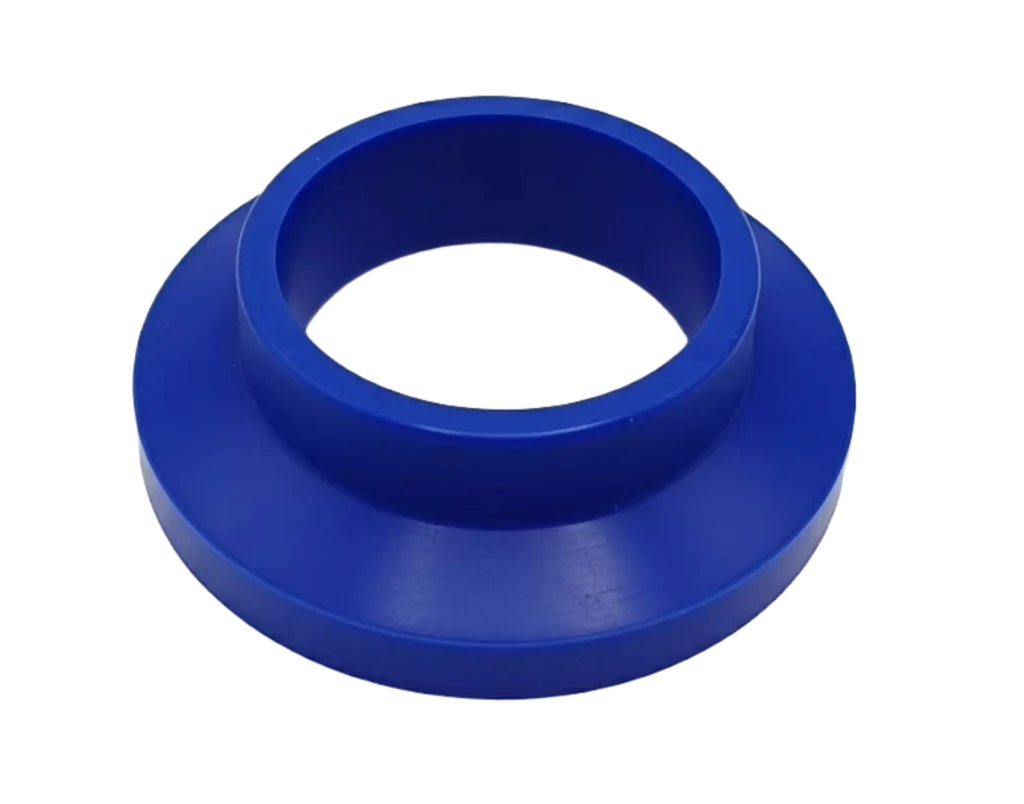
High-Performance Silicone Rubber Components Moulded To Your Exact Specifications
At Viking Extrusions, we transform high-performance Silicone Rubber into durable, versatile components for the most demanding technical and industrial applications. With over 30 years of expertise in rubber moulding, we deliver superior results. Whether your project requires specialized FDA grade seals, high-temperature O-rings, or complex custom-designed parts, our advanced moulding expertise ensures perfect reliability and performance.

What is Silicone Rubber Rubber Moulding?
Silicone rubber moulding is a sophisticated manufacturing process used to create custom parts and components from Silicone (Polysiloxane), a highly stable synthetic elastomer prized for its extreme temperature resistance. The process involves shaping the raw, highly consistent rubber (HCR) or low-viscosity liquid silicone rubber (LSR) material using a precisely machined mould. Through the application of heat, and typically pressure, in a process called curing (often using a platinum catalyst or peroxide), the polymer chains cross-link, transforming the material into a stable, durable, and highly flexible final product with the desired properties.
The key to silicone’s unique performance lies in its chemical composition—it’s based on a backbone of alternating silicon and oxygen atoms (Si-O-Si), rather than the carbon backbone of organic rubbers. This inorganic structure provides exceptional thermal stability and UV resistance.
The properties of the silicone compound are customized through the type of side chains attached to the silicon atoms:
Methyl Groups: The most common type, resulting in Dimethyl Vinyl Silicone (VMQ), which offers the best overall balance of high flexibility and heat resistance.
Phenyl Groups: Added to create Phenyl Silicone (PVMQ), significantly enhancing the polymer’s ability to remain flexible at extremely low temperatures (e.g., down to −100∘C).
Fluoro Groups: Added to create Fluorosilicone (FVMQ), which drastically improves resistance to solvents, fuels, and oils, bridging the gap between standard silicone and FKM.
This chemical adaptability allows us to engineer a silicone compound perfectly tailored to the specific thermal, chemical, or electrical requirements of your component.
Our Silicone Rubber Availability
View the table below for a detailed breakdown of the available colours, hardness ranges, and specialist grades for Silicone and other common elastomers we offer.
| Material | Available Colours | Hardness (Shore A) | Specialist Grade Availability |
|---|---|---|---|
| EPDM | Black (standard), Blue, Biege | 35 - 90 | FDA, WRAS,Flame Retardant, EN45545-2, Antistatic/Conductive, Oil-Resistant, |
| Nitrile (NBR) | Black, (standard) Blue, Red, Brown | 40 - 90 | HNBR, XNBR, FDA, Metal Detectable, BS2751 |
| Natural Rubber (NR) | Black (standard) | 35 - 90 | FDA, Construction BS1154 |
| Neoprene (CR) | Black (standard) | 50 - 85 | Flame Retardant, BS2752 |
| FKM (Viton™) | Black (standard), Blue, Brown | 50 - 90 | FDA |
| Silicone (VMQ) | Translucent (natural) , All Colours | 20 - 80 | FDA, WRAS, Platinum Cured, Metal Detectable, Flame Retardant, EN45545-2 |
Key Properties & Advantages of Moulded Silicone Rubber
Choosing silicone rubber for your moulded components provides an unparalleled combination of extreme performance benefits, making it the essential material for highly demanding applications in medicine, aerospace, and electronics.

Unmatched Resistance to Extreme Temperatures
Silicone’s primary advantage is its exceptional thermal stability. It can typically operate across an incredibly wide service temperature range, from −55∘C up to +230∘C (-67∘F up to +446∘F), depending on the specific compound. This makes it a market leader for applications that involve prolonged exposure to both scorching heat and deep cold, ensuring seals and components remain flexible and functional in harsh environments where organic rubbers would fail.

Superior Flexibility and Low Compression Set
Moulded silicone parts maintain excellent flexibility across their entire operating temperature range. Crucially for sealing, silicone exhibits an extremely low compression set, meaning it reliably returns to its original shape after being compressed, even after long periods at elevated temperatures. This quality ensures that O-rings, gaskets, and diaphragms provide reliable, long-term, leak-free sealing performance without permanent deformation.

Excellent UV, Ozone, and Weathering Resistance
Unlike many organic rubbers (like Nitrile), silicone has an inorganic backbone (Si-O-Si) which provides outstanding resistance to environmental degradation. It is highly resistant to UV radiation, ozone, and general weathering. This makes silicone the premier choice for outdoor applications, lighting enclosures, and components exposed to electrical discharge, guaranteeing a long service life without cracking or degradation.

Biocompatibility and Sterilisation Capability
Standard silicone rubber is naturally non-toxic, odourless, and tasteless, making it highly compatible with biological tissues. It is one of the few elastomers that can withstand repeated exposure to aggressive sterilization methods, including steam (autoclave), ETO (ethylene oxide), and gamma irradiation. This makes it indispensable for medical devices, food processing equipment, and pharmaceutical seals.
Important Limitations to Consider
While highly versatile, silicone rubber is not resistant to everything. Its main limitations include:
Poor Abrasion and Tear Resistance: Silicone generally has low tensile strength and poor resistance to tearing and abrasion compared to materials like Nitrile or Natural Rubber. It is generally not recommended for dynamic applications involving friction or high mechanical wear.
Limited Chemical Resistance: Standard silicone has poor resistance to petroleum-based oils, hydrocarbon fuels, and certain highly concentrated solvents. For applications requiring both high heat and oil resistance, a specialized compound like Fluorosilicone (FVMQ) should be used instead.
Compare the Properties of Silicone Rubber Against other Elastomers
Explore this comprehensive comparison table detailing the resistance, temperature range, and mechanical performance of Silicone rubber compared to common elastomers like Neoprene, Natural Rubber, FKM (Viton), and EPDM for various industrial applications.
| Property | Neoprene (CR) | Nitrile (NBR) | EPDM | Natural Rubber | FKM (Viton(tm)) | Silicone (VMQ) |
|---|---|---|---|---|---|---|
| Primary Attribute | Versatile All-Rounder | Oil and Fuel Resistant | Weather & Water Resistant | High Mechanical Strength | Extreme Heat and Chemical Resistant | Extreme Temperature Range |
| Abrasion Resistance | ⭐⭐⭐⭐ | ⭐⭐⭐ | ⭐⭐⭐ | ⭐⭐⭐⭐⭐ | ⭐⭐⭐ | ⭐ |
| Tear Resistance | ⭐⭐⭐⭐ | ⭐⭐⭐ | ⭐⭐⭐ | ⭐⭐⭐⭐⭐ | ⭐⭐ | ⭐⭐ |
| Tensile Strength | ⭐⭐⭐⭐ | ⭐⭐⭐⭐ | ⭐⭐⭐ | ⭐⭐⭐⭐⭐ | ⭐⭐⭐⭐ | ⭐⭐ |
| Resilience / Rebound | ⭐⭐⭐⭐ | ⭐⭐⭐ | ⭐⭐⭐⭐ | ⭐⭐⭐⭐⭐ | ⭐⭐ | ⭐⭐⭐ |
| Weather / Ozone / UV | ⭐⭐⭐⭐ | ⭐ | ⭐⭐⭐⭐⭐ | ⭐ | ⭐⭐⭐⭐⭐ | ⭐⭐⭐⭐⭐ |
| Water & Steam Resistance | ⭐⭐⭐⭐ | ⭐⭐⭐ | ⭐⭐⭐⭐⭐ | ⭐⭐⭐ | ⭐⭐⭐ | ⭐⭐⭐⭐ |
| Oil & Fuel Resistance | ⭐⭐⭐ | ⭐⭐⭐⭐⭐ | ⭐ | ⭐ | ⭐⭐⭐⭐⭐ | ⭐ |
| Acid & Alkali Resistance | ⭐⭐⭐⭐ | ⭐⭐⭐ | ⭐⭐⭐⭐⭐ | ⭐⭐⭐ | ⭐⭐⭐⭐⭐ | ⭐⭐⭐ |
| Flame Resistance | ⭐⭐⭐⭐ | ⭐ | ⭐ | ⭐ | ⭐⭐⭐⭐⭐ | ⭐⭐⭐⭐ |
| Temperature Range (Typical) | -40°C to 120°C | -35°C to 120°C | -50°C to 150°C | -50°C to 80°C | -20°C to 205°C | -60°C to 200°C |
| Cost | £££ | ££ | £££ | £ | £££££ | ££££ |
Silicone Moulding Processes
Silicone rubber is a highly versatile synthetic elastomer that demands specialized processing due to its low viscosity (in liquid forms) or high consistency (in gum forms) and unique platinum-catalyzed or peroxide curing systems.
Silicone Rubber Liquid Injection Moulding (LIM)
An extremely precise and efficient process for producing high volumes of consistent, flash-free Liquid Silicone Rubber (LSR) parts.
- The Process: Two liquid components of LSR (Part A: base with catalyst, Part B: base with cross-linker) are dynamically mixed and injected into a heated, closed mould cavity. The low viscosity allows for fast filling, and the high reactivity provides rapid cycle times and automation.
- Advantages: Exceptional for complex geometry, extremely high repeatability, minimal material waste (flashless moulding), and ideal for high-precision components.
- Best For: Medical devices (seals, tubing), wearable technology straps, infant care products, and high-volume electrical connectors

Silicone Rubber Compression Moulding
A cost-effective and traditional method, best suited for large, simple parts or when utilizing high consistency rubber (HCR) compounds.
- The Process: A pre-formed or pre-weighed blank of high consistency Silicone Rubber (HCR) compound is placed into the mould cavity and cured under high heat and pressure. The process is simpler but requires more manual effort than injection methods.
- Advantages: Lowest tooling costs, excellent for very large or thick components, and superior for specialty formulations like high-tear or electrically conductive silicones.
- Best for:Large industrial gaskets, oven door seals, keypad mats, and protective sleeves.

Silicone Rubber Transfer Moulding
A versatile hybrid process that is effective for intricate designs and bonding silicone to other substrates, such as metal or plastic.
- The Process: A solid, uncured silicone blank is placed in a separate “transfer pot” above the mould. A ram forces the material from the pot through small sprues and runners into the closed mould cavities, allowing for better material control and reducing flow-related imperfections.
- Advantages: Good for silicone-to-substrate bonding, capable of tighter tolerances than simple compression, and suitable for moulds with multiple cavities..
- Best For: Bonded engine mounts, diaphragms with integrated fabric, and custom seals with metal inserts.

Precision-Engineered Silicone Rubber Moulded Components
Explore our core range of custom Silicone Rubber (VMQ) components, specifically engineered to deliver superior, long-term performance across extreme temperature ranges. These parts leverage Silicone’s exceptional stability in both high heat and extreme cold, along with excellent dielectric strength and physiological inertness, making them indispensable for medical devices, food and beverage processing, and high-temperature oven sealing applications.
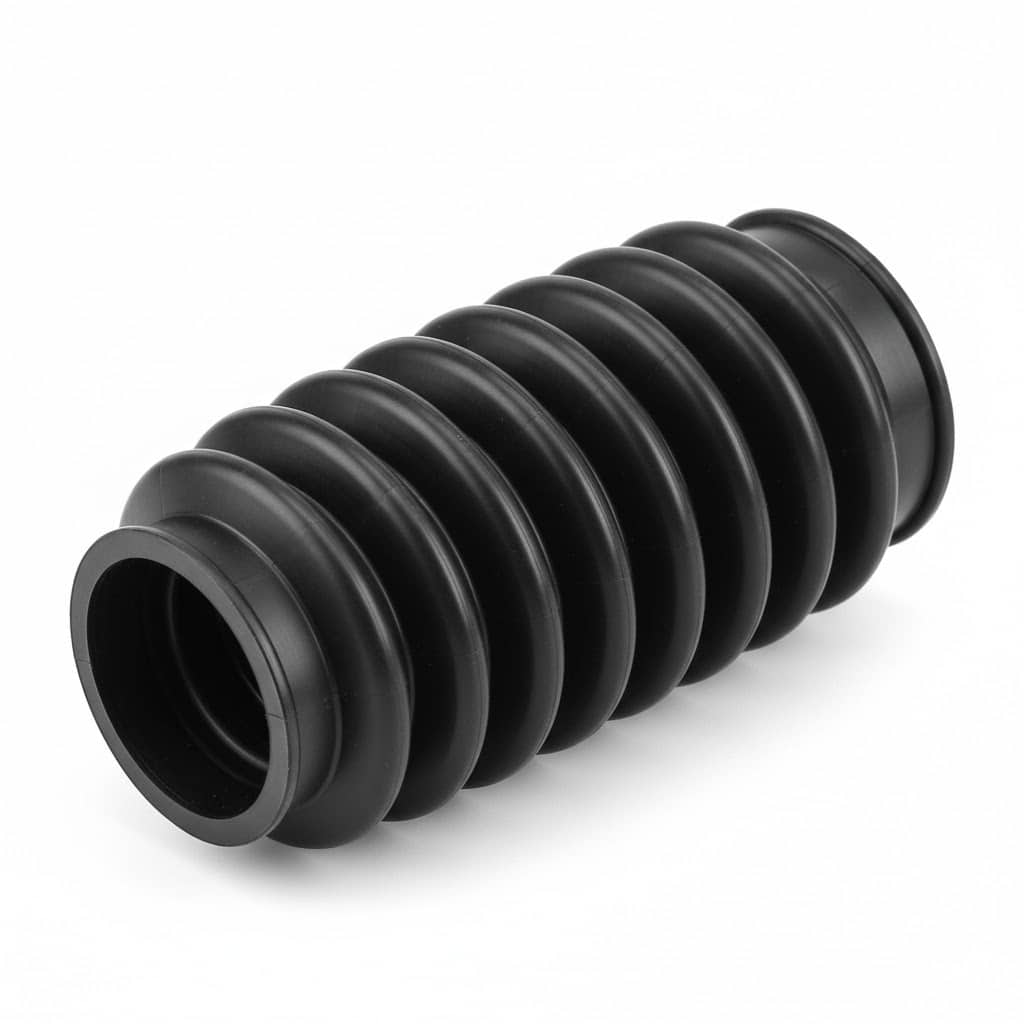
Rubber Bellows
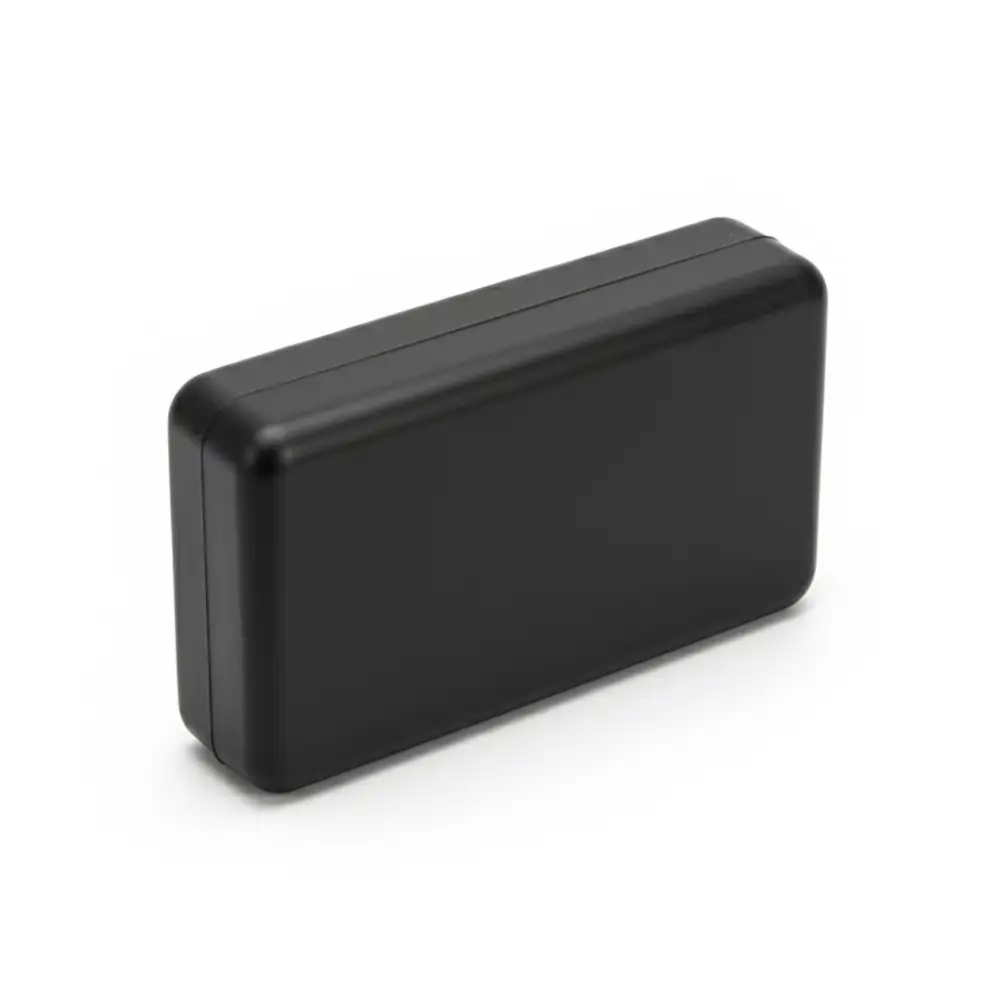
Rubber Blocks
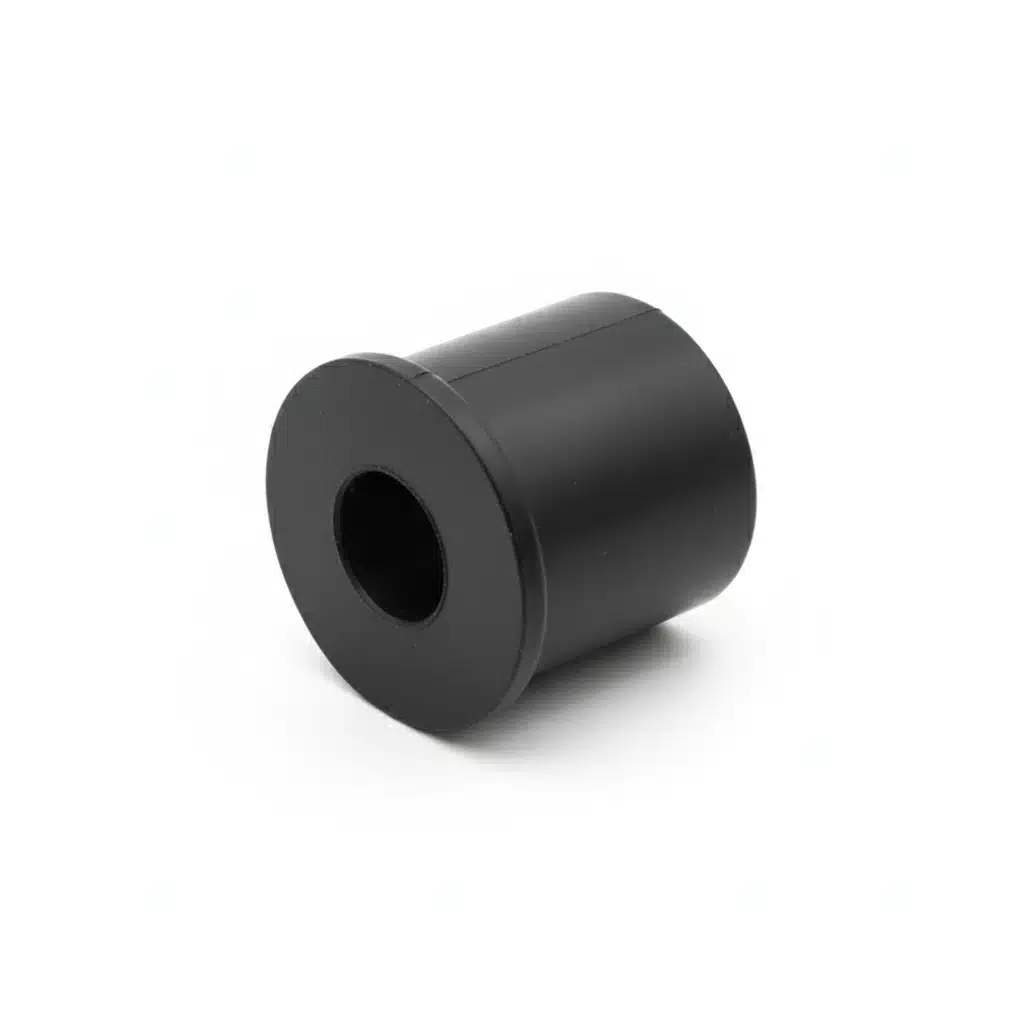
Rubber Bushes
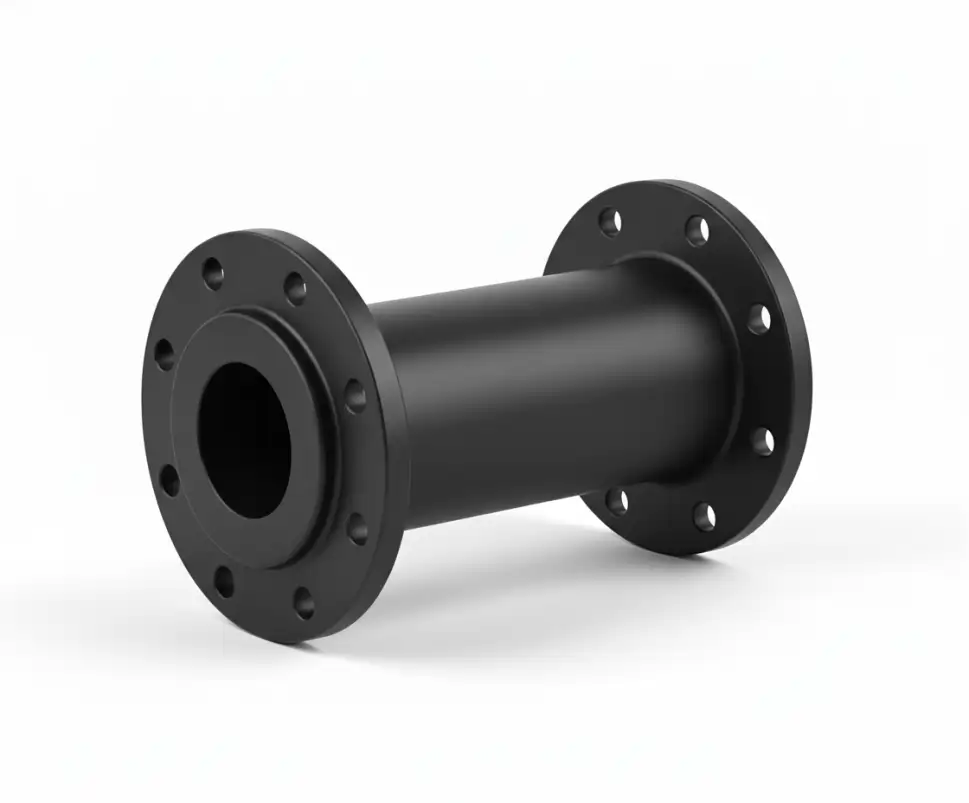
Rubber Flanges
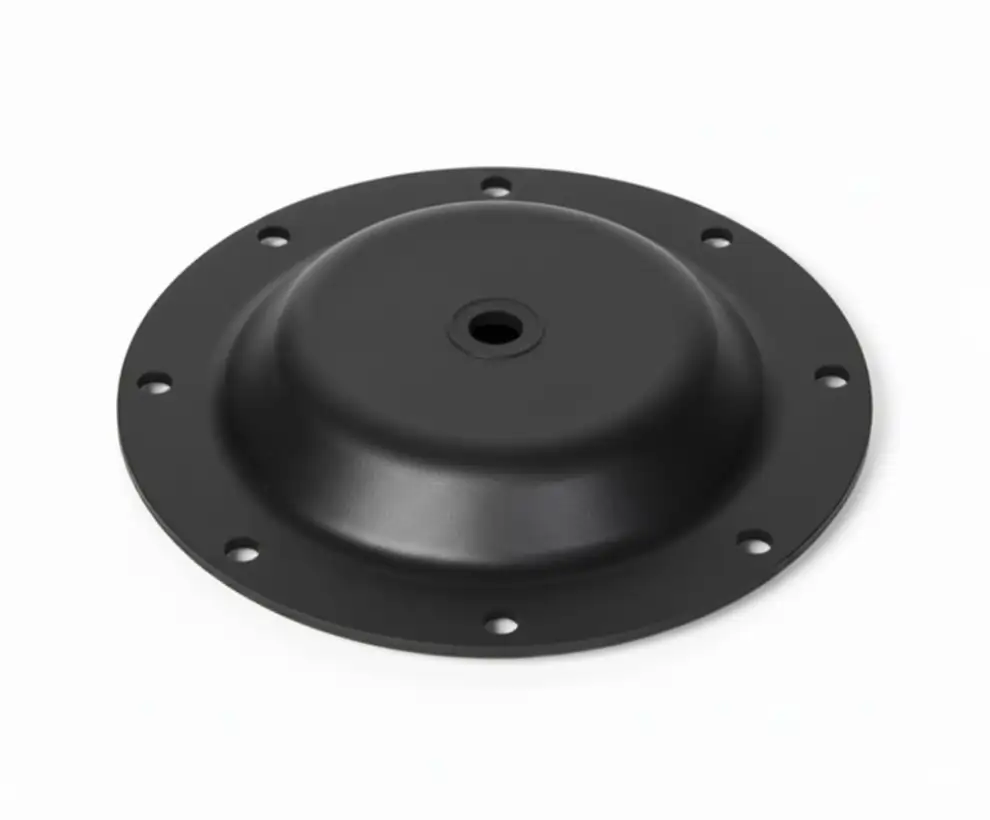
Rubber Diaphragms
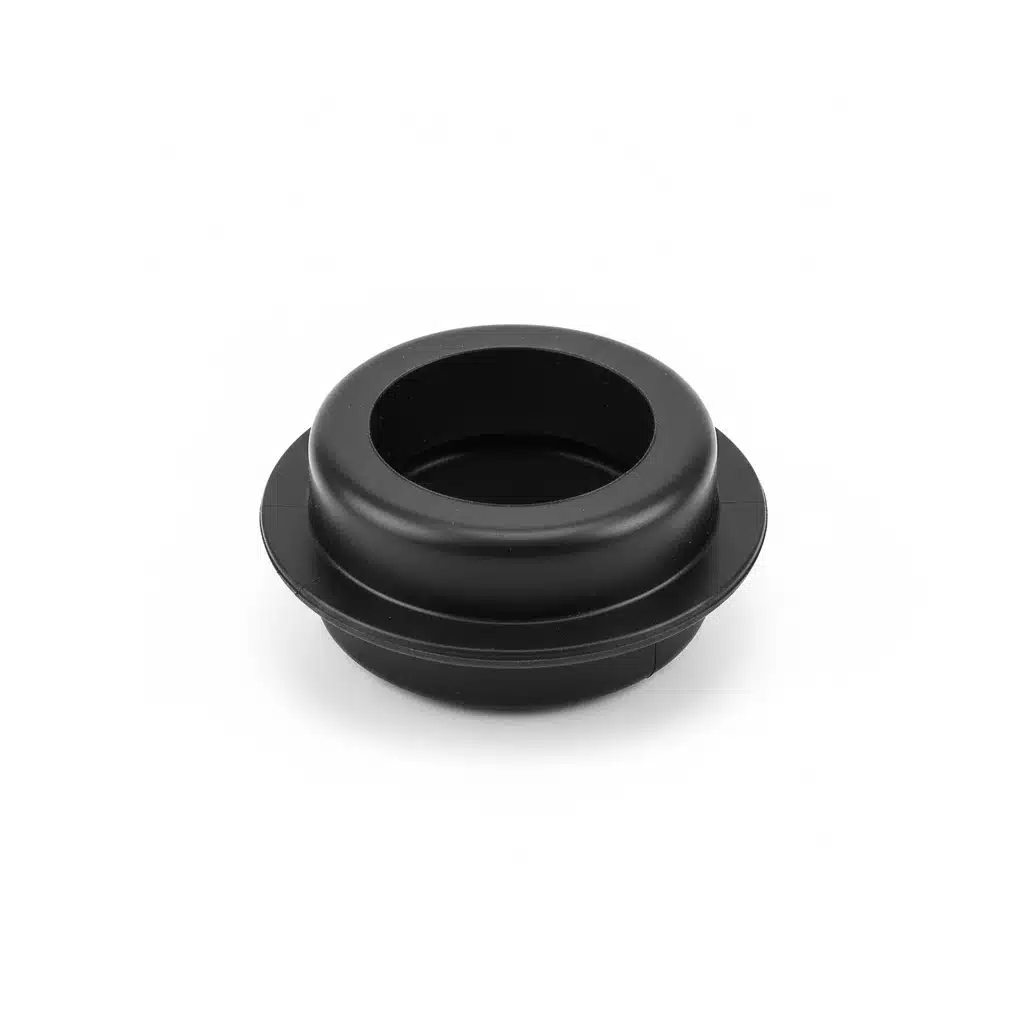
Rubber Grommets
Applications & Industries We Serve
Silicone rubber moulded parts are widely used in industries where flexibility, biocompatibility and resistance to extreme temperatures are critical:

LED Lighting
Used for gaskets, seals, and lens grommets in LED fixtures to provide weatherproofing, UV resistance, and thermal stability for outdoor and high-heat applications.

Food & Beverage Processing
Silicone is common for food-contact gaskets, seals, and moulded components because it meets FDA and EU food-grade standards and withstands high-temperature cleaning.

Rail Industry
Used for door seals, window gaskets, and vibration dampers in rolling stock, offering excellent weather resistance, fire safety compliance, and long service life.

Automotive
Applied in gaskets, hoses, and vibration dampers for EV battery packs and engine compartments where heat resistance and long-term elasticity are essential.

Aerospace & Aviation
Selected for lightweight seals, insulation, and vibration control components that perform reliably in extreme temperature ranges and low-pressure environments.

Pharmaceutical & Biotechnology
Preferred for peristaltic pump tubing, seals, and single-use systems requiring high purity, chemical resistance, and sterilization compatibility.
Frequently Asked Questions About Silicone Rubber Moulding
What are the advantages of using silicone rubber for moulded components?
Silicone rubber offers exceptional thermal stability, flexibility, and resistance to UV, ozone, and weathering. It performs reliably across a wide temperature range (typically -60°C to +230°C), making it ideal for automotive, medical, food-grade, and outdoor applications.
Is silicone rubber safe for food and medical applications?
Yes. Silicone can be formulated to meet FDA, BfR, and USP Class VI standards. At Viking Extrusions, we offer food-safe and medical-grade silicone compounds suitable for direct contact with consumables and sensitive environments.
Can silicone rubber be coloured or customised?
Absolutely. Silicone rubber can be pigmented in virtually any colour, including translucent and fluorescent options. We also offer custom durometers (hardness levels), finishes, and post-curing to meet specific performance or regulatory needs.
What are the limitations of silicone rubber in moulded applications?
While silicone excels in temperature and weather resistance, it has lower tear and abrasion resistance compared to some other rubbers. It is not recommended for dynamic sealing in high-wear environments or for use with certain concentrated acids, oils, or solvents. Our team can advise on the best material for your application.
How does the cost of silicone moulded parts compare to other rubber materials?
Silicone rubber is generally more expensive than standard rubbers like EPDM or Nitrile due to its advanced properties and raw material costs. However, its durability, longevity, and suitability for demanding environments often result in lower total cost of ownership over the product’s lifetime. We’re happy to provide tailored quotations and help you assess the best value for your application.
What makes flame-retardant silicone suitable for rail and aerospace applications?
Flame-retardant silicone is specially formulated to meet stringent fire, smoke, and toxicity (FST) standards required in the rail and aerospace sectors. These materials are self-extinguishing, emit low smoke, and produce minimal toxic by-products when exposed to fire. They maintain flexibility and sealing performance even after thermal exposure, making them ideal for use in passenger safety-critical environments.
Why Choose Viking Extrusions?
High-Temperature Material Mastery
Our engineers are skilled in silicone rubber processing, ideal for applications requiring thermal stability and biocompatibility.

Rigorous Quality Control
Certified to ISO 9001, our process includes detailed inspections to ensure silicone parts meet demanding specifications.
Agile Production for Complex Needs
We adapt quickly to design changes and production demands, delivering silicone components with speed and precision.

Engineering-Driven Partnership
We collaborate with you to solve thermal, mechanical and regulatory challenges, ensuring your silicone solution is fit for purpose.
Looking for silicone rubber moulded parts?
Let our experts help you manufacture the perfect custom component.
Contact us today for a no-obligation quote and a detailed engineering consultation.