- Homepage
- >
- Rubber Moulding
- >
- Nitrile Rubber Moulding
Custom Nitrile Moulding Services:
Precision, Durability & Performance
Our custom nitrile moulding services deliver precision, durability and performance tailored to your exact specifications.

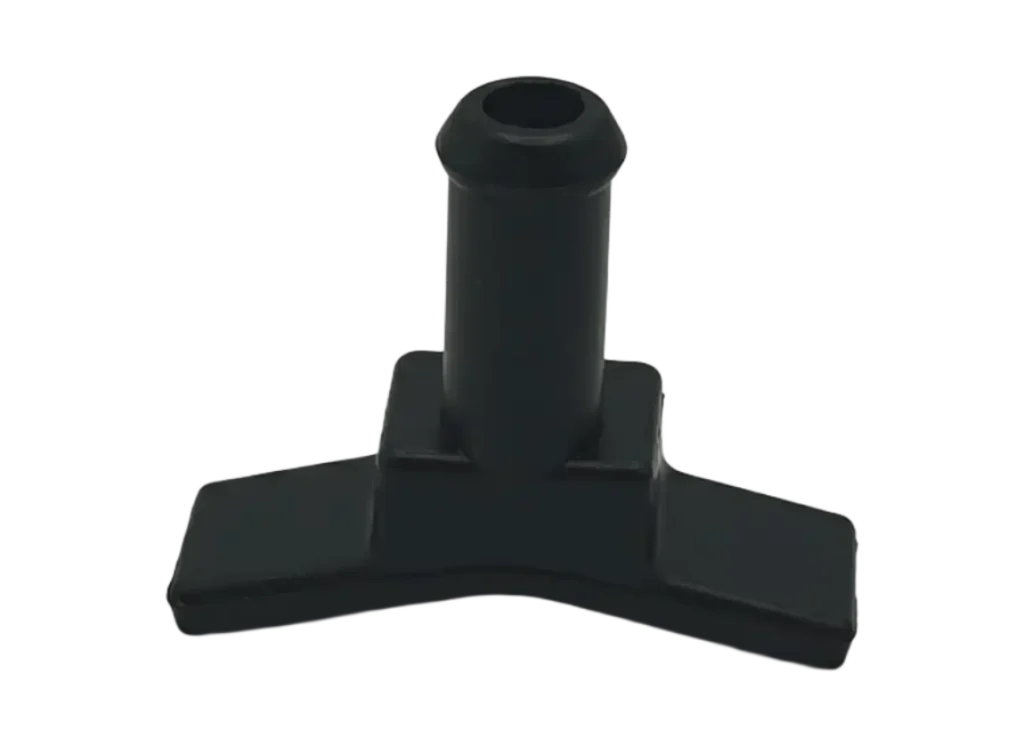
High-Performance Nitrile (NBR) Components Moulded To Your Exact Specifications

What is Nitrile (NBR) Rubber Moulding?
Nitrile moulding is a sophisticated manufacturing process used to create custom parts and components from Nitrile Butadiene Rubber (NBR), a highly versatile synthetic elastomer. The process involves heating the raw, unvulcanized nitrile material until it becomes pliable, then shaping it using a precisely machined mould. Through the application of heat and pressure in a process called curing or vulcanization, the polymer chains cross-link, creating a stable, solid, and durable final product with the desired properties.
The magic of nitrile lies in its chemical composition—it’s a copolymer created from acrylonitrile (ACN) and butadiene. The ratio of these two monomers is critical:
- Higher Acrylonitrile (ACN) Content: Increases the polymer’s polarity, resulting in outstanding resistance to petroleum-based oils and hydrocarbon fuels. However, this comes at the cost of reduced low-temperature flexibility.
- Lower Acrylonitrile (ACN) Content: Improves flexibility in cold environments but offers less resistance to oils and fuels.
This ability to customise the ACN content, from 18% to 50%, allows us to engineer a material compound perfectly tailored to the specific operational environment of your component.
Our Nitrile Rubber Availability
View the table below for a detailed breakdown of the available colours, hardness ranges, and specialist grades for Nitrile and other common elastomers we offer.
| Material | Available Colours | Hardness (Shore A) | Specialist Grade Availability |
|---|---|---|---|
| EPDM | Black (standard), Blue, Biege | 35 - 90 | FDA, WRAS,Flame Retardant, EN45545-2, Antistatic/Conductive, Oil-Resistant, |
| Nitrile (NBR) | Black, (standard) Blue, Red, Brown | 40 - 90 | HNBR, XNBR, FDA, Metal Detectable, BS2751 |
| Natural Rubber (NR) | Black (standard) | 35 - 90 | FDA, Construction BS1154 |
| Neoprene (CR) | Black (standard) | 50 - 85 | Flame Retardant, BS2752 |
| FKM (Viton™) | Black (standard), Blue, Brown | 50 - 90 | FDA |
| Silicone (VMQ) | Translucent (natural) , All Colours | 20 - 80 | FDA, WRAS, Platinum Cured, Metal Detectable, Flame Retardant, EN45545-2 |
Key Properties & Advantages of Moulded Nitrile
Choosing nitrile for your moulded components provides a powerful and cost-effective combination of performance benefits that make it a go-to material in countless industries.

Unmatched Resistance to Oils, Fuels & Greases
This is the hallmark property of NBR. The acrylonitrile portion of the polymer creates a strong barrier against non-polar fluids. This makes nitrile the premier choice for any application involving prolonged contact with petroleum oils, mineral oils, hydraulic fluids, gasoline, diesel, and many other hydrocarbon-based chemicals. It ensures seals remain effective and components do not swell or degrade.

Excellent Mechanical Strength & Durability
Moulded nitrile parts are tough. They exhibit high tensile strength (resisting stretching forces), ensuring they maintain their structural integrity under significant load. Furthermore, nitrile boasts excellent abrasion and tear resistance, making it ideal for dynamic applications where parts are subject to friction or physical wear. This durability translates to longer service life and reduced maintenance costs.

Superior Sealing Performance and Low Compression Set
An effective seal must be able to return to its original shape after being compressed. Nitrile has a low compression set, meaning it resists permanent deformation under pressure. This quality, combined with its low permeability to gases like air and nitrogen, makes it an exceptional material for manufacturing O-rings, gaskets, and hydraulic seals that provide reliable, leak-free performance.

Wide Operating Temperature Range
Standard nitrile compounds perform consistently and reliably across a broad service temperature range, typically from -40°C to +108°C (-40°F to +226°F). While not suitable for extreme high-temperature applications (where materials like Viton® or Silicone would be used), this range covers the vast majority of automotive, industrial, and hydraulic operating environments.
Important Limitations to Consider
While versatile, NBR is not a universal solution. It has poor resistance to ozone, direct sunlight (UV radiation), and general weathering. For outdoor applications, it requires special protective additives or should be substituted with a more weather-resistant material like EPDM. Additionally, it is not recommended for use with highly polar solvents like ketones (e.g., acetone), esters, or chlorinated hydrocarbons.
Compare the Properties of Nitrile Against other Elastomers
Explore this comprehensive comparison table detailing the resistance, temperature range, and mechanical performance of Nitrile rubber (NBR) compared to common elastomers like Neoprene, Silicone, FKM (Viton), and EPDM for various industrial applications.
| Property | Neoprene (CR) | Nitrile (NBR) | EPDM | Natural Rubber | FKM (Viton(tm)) | Silicone (VMQ) |
|---|---|---|---|---|---|---|
| Primary Attribute | Versatile All-Rounder | Oil and Fuel Resistant | Weather & Water Resistant | High Mechanical Strength | Extreme Heat and Chemical Resistant | Extreme Temperature Range |
| Abrasion Resistance | ⭐⭐⭐⭐ | ⭐⭐⭐ | ⭐⭐⭐ | ⭐⭐⭐⭐⭐ | ⭐⭐⭐ | ⭐ |
| Tear Resistance | ⭐⭐⭐⭐ | ⭐⭐⭐ | ⭐⭐⭐ | ⭐⭐⭐⭐⭐ | ⭐⭐ | ⭐⭐ |
| Tensile Strength | ⭐⭐⭐⭐ | ⭐⭐⭐⭐ | ⭐⭐⭐ | ⭐⭐⭐⭐⭐ | ⭐⭐⭐⭐ | ⭐⭐ |
| Resilience / Rebound | ⭐⭐⭐⭐ | ⭐⭐⭐ | ⭐⭐⭐⭐ | ⭐⭐⭐⭐⭐ | ⭐⭐ | ⭐⭐⭐ |
| Weather / Ozone / UV | ⭐⭐⭐⭐ | ⭐ | ⭐⭐⭐⭐⭐ | ⭐ | ⭐⭐⭐⭐⭐ | ⭐⭐⭐⭐⭐ |
| Water & Steam Resistance | ⭐⭐⭐⭐ | ⭐⭐⭐ | ⭐⭐⭐⭐⭐ | ⭐⭐⭐ | ⭐⭐⭐ | ⭐⭐⭐⭐ |
| Oil & Fuel Resistance | ⭐⭐⭐ | ⭐⭐⭐⭐⭐ | ⭐ | ⭐ | ⭐⭐⭐⭐⭐ | ⭐ |
| Acid & Alkali Resistance | ⭐⭐⭐⭐ | ⭐⭐⭐ | ⭐⭐⭐⭐⭐ | ⭐⭐⭐ | ⭐⭐⭐⭐⭐ | ⭐⭐⭐ |
| Flame Resistance | ⭐⭐⭐⭐ | ⭐ | ⭐ | ⭐ | ⭐⭐⭐⭐⭐ | ⭐⭐⭐⭐ |
| Temperature Range (Typical) | -40°C to 120°C | -35°C to 120°C | -50°C to 150°C | -50°C to 80°C | -20°C to 205°C | -60°C to 200°C |
| Cost | £££ | ££ | £££ | £ | £££££ | ££££ |
Nitrile Moulding Processes
We utilise the three primary thermoset moulding technologies to produce parts with tight tolerances and consistent quality, matching the process to your specific volume, budget, and design complexity.
Nitrile Injection Moulding
Injection Moulding is the gold standard for high-volume production of complex and precision-critical nitrile parts.
- The Process: Raw nitrile compound is heated and plasticised in a barrel before being heated and injected under high pressure into cavities of a closed, heated mould. The part is cured in the mould then ejected.
- Advantages: Extremely fast cycle times, high degree of automation, excellent for complex geometries, and low cost per-part at high volumes.
- Best For: Automotive seals, O-rings, electrical connectors, grommets and small-to-medium sized parts with production runs in the thousands.

Nitrile Compression Moulding
Compression moulding is a robust and cost-effective method, particularly well-suited for larger, simpler parts and low-medium volume production.
- The Process: A carefully weighed “pre-form” of raw nitrile is placed directly into the heated lower half of the mould cavity. The top half is then closed , and pressure is applied, forcing the material to fill the cavity where it cures.
- Advantages: Lower tooling costs compared to injection moulding, ideal for large parts and capable of handling high-viscosity materials.
- Best for: Large gaskets, anti-vibration mounts, equipment mats, and seals with large cross-sections.

Nitrile Transfer Moulding
Transfer moulding is a hybrid process that offers more precision than compression moulding while being suitable for designs that may be too intricate for it.
- The Process: The nitrile pre-form is placed in a “pot” located between the top plate and a plunger. As the mould closes, the plunger forces heated materials through channels (sprues) into the closed mould cavities to cure.
- Advantages: Tighter dimensional tolerances compared to compression moulding, allows for more complex designs and over-moulding of inserts.
- Best For: Parts requiring metal inserts, seals with intricate profiles, and medium-volume production where injection moulding tooling is not cost-effective.

Precision-Engineered Nitrile Moulded Components
Explore our core range of custom nitrile rubber components, specifically engineered to deliver superior, long-term performance in demanding fluid and fuel environments. These parts leverage Nitrile’s exceptional resistance to petroleum-based oils, hydrocarbon fuels, and abrasion, making them indispensable for automotive, industrial, and hydraulic applications. View our key moulded seals and bellows below, all manufactured with precision for high-integrity sealing and protection.
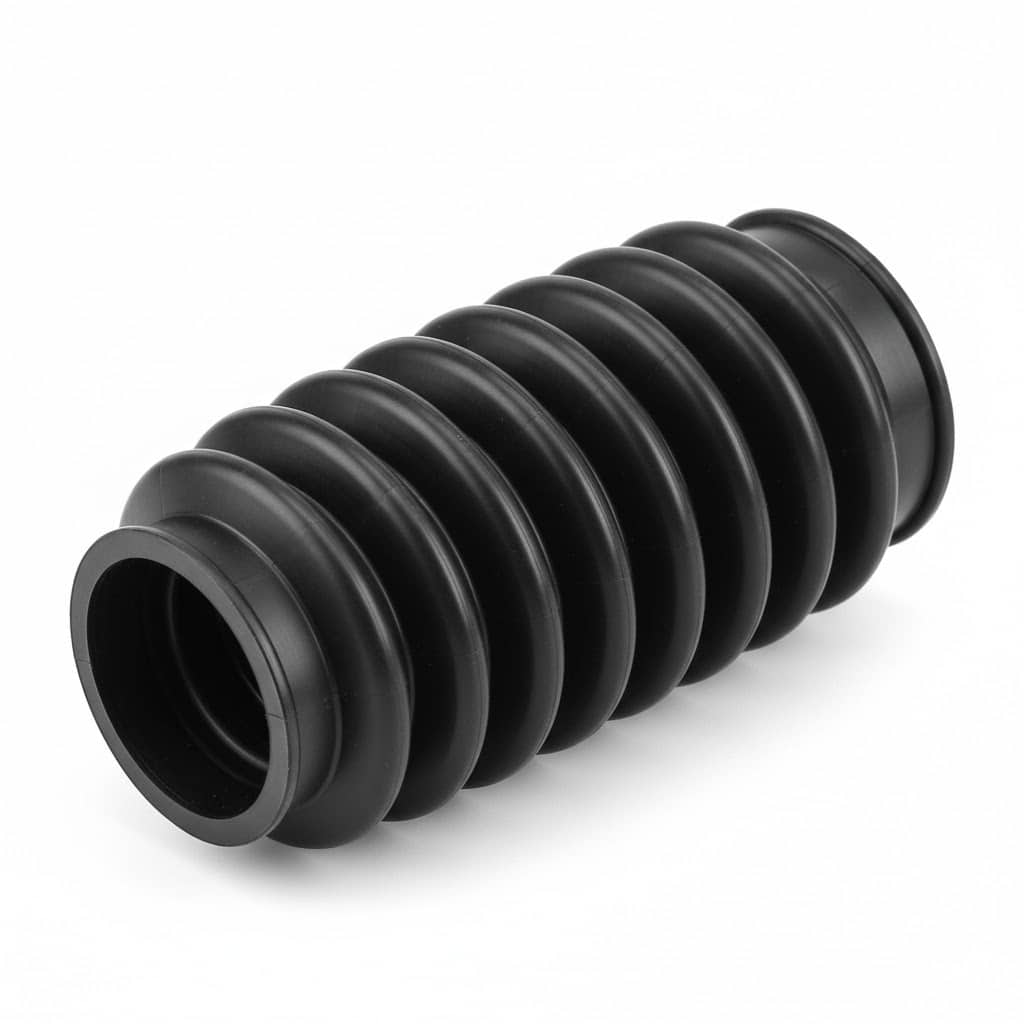
Rubber Bellows
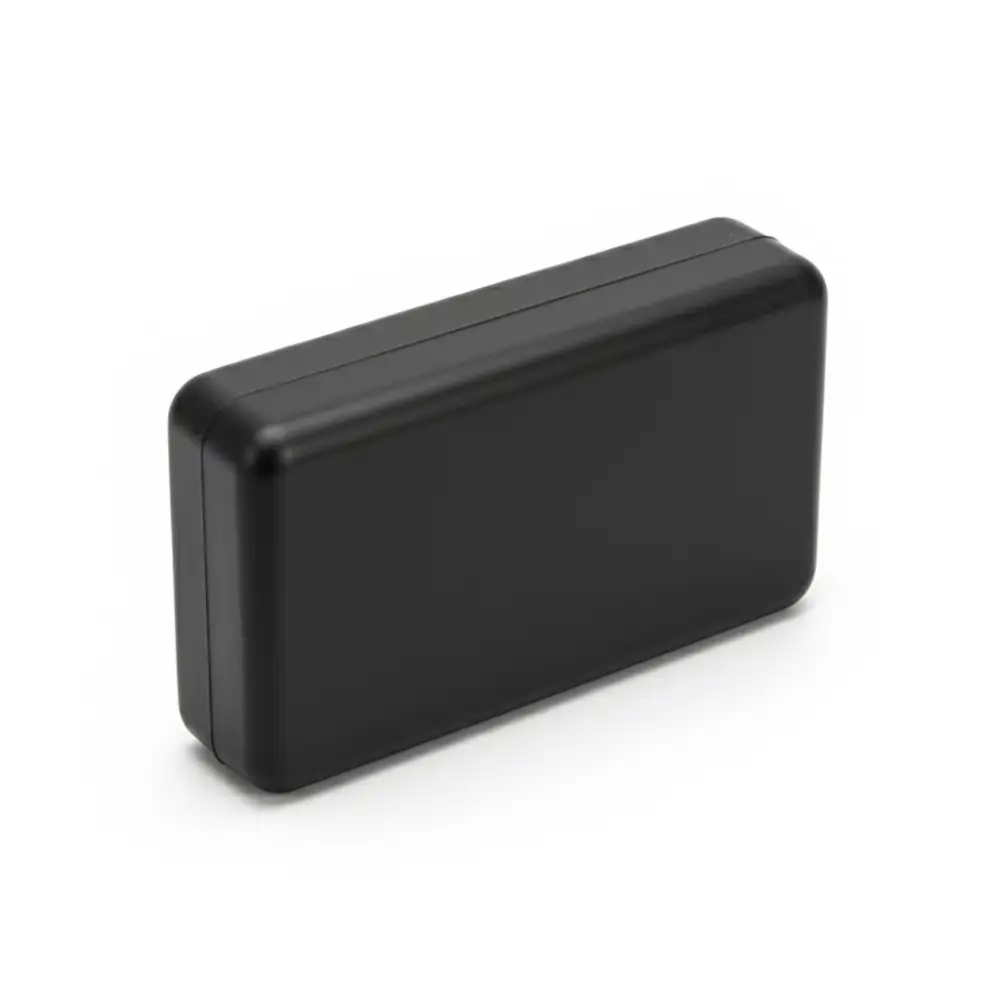
Rubber Blocks
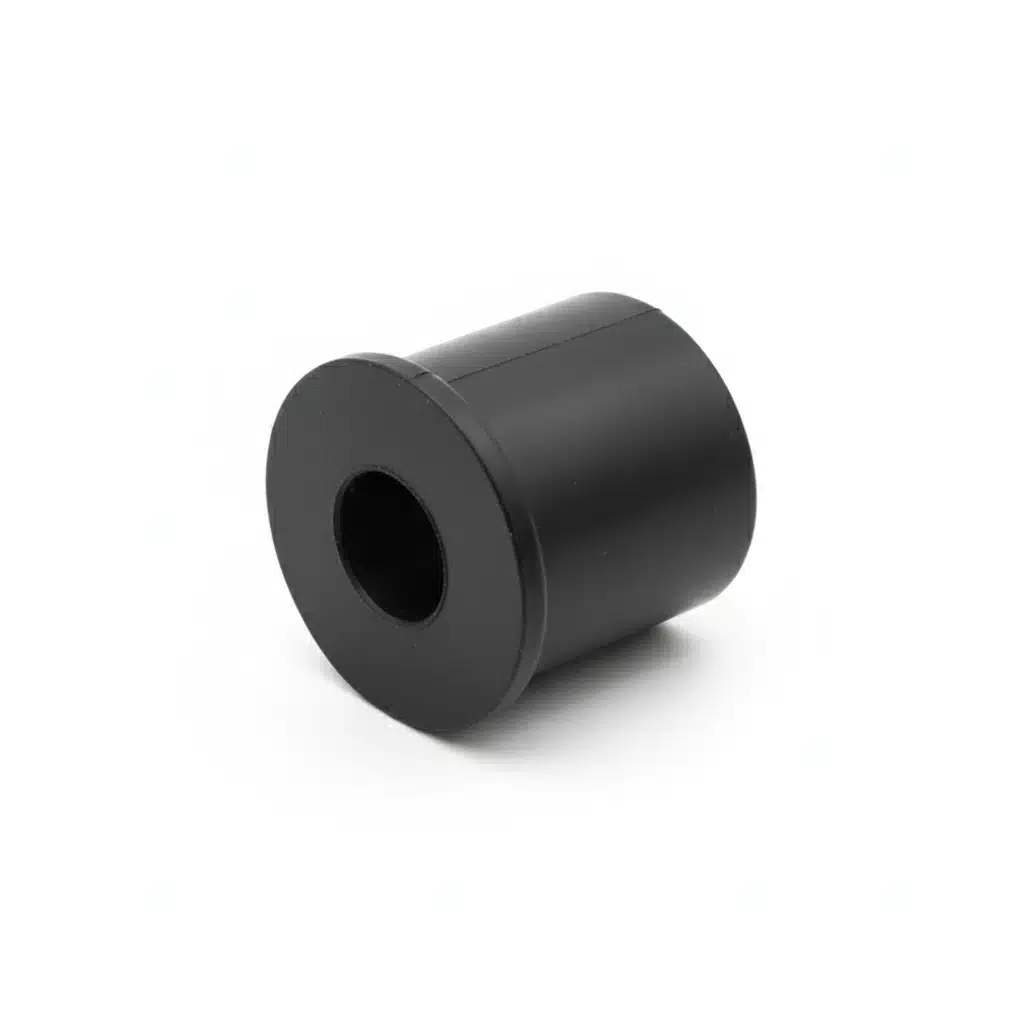
Rubber Bushes
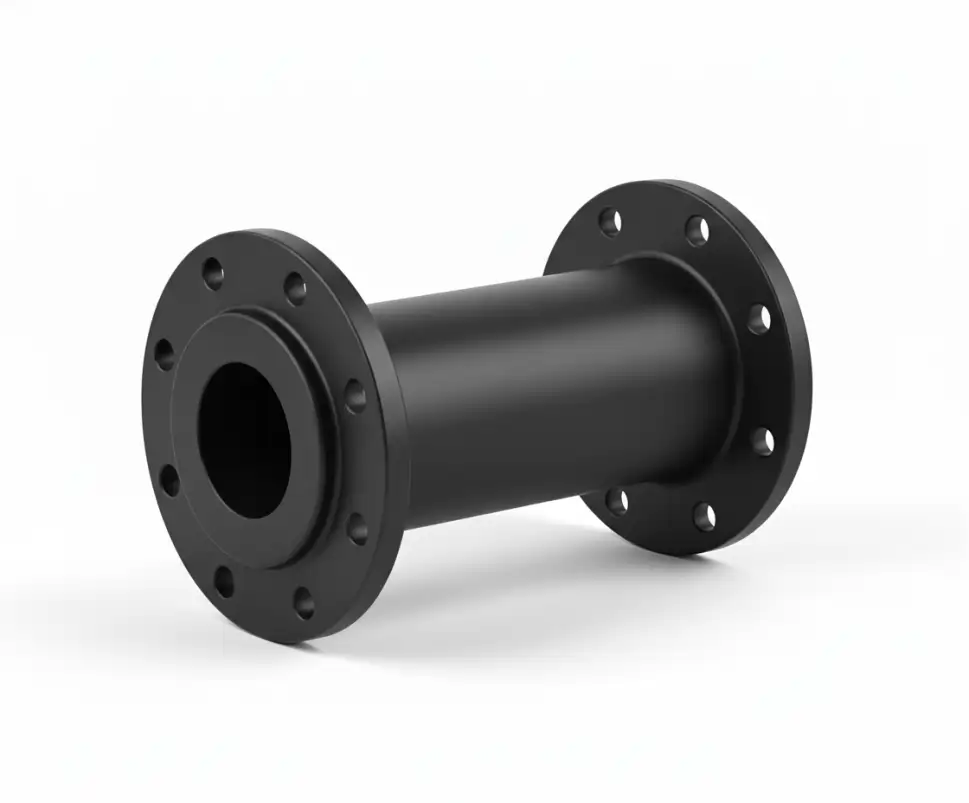
Rubber Flanges
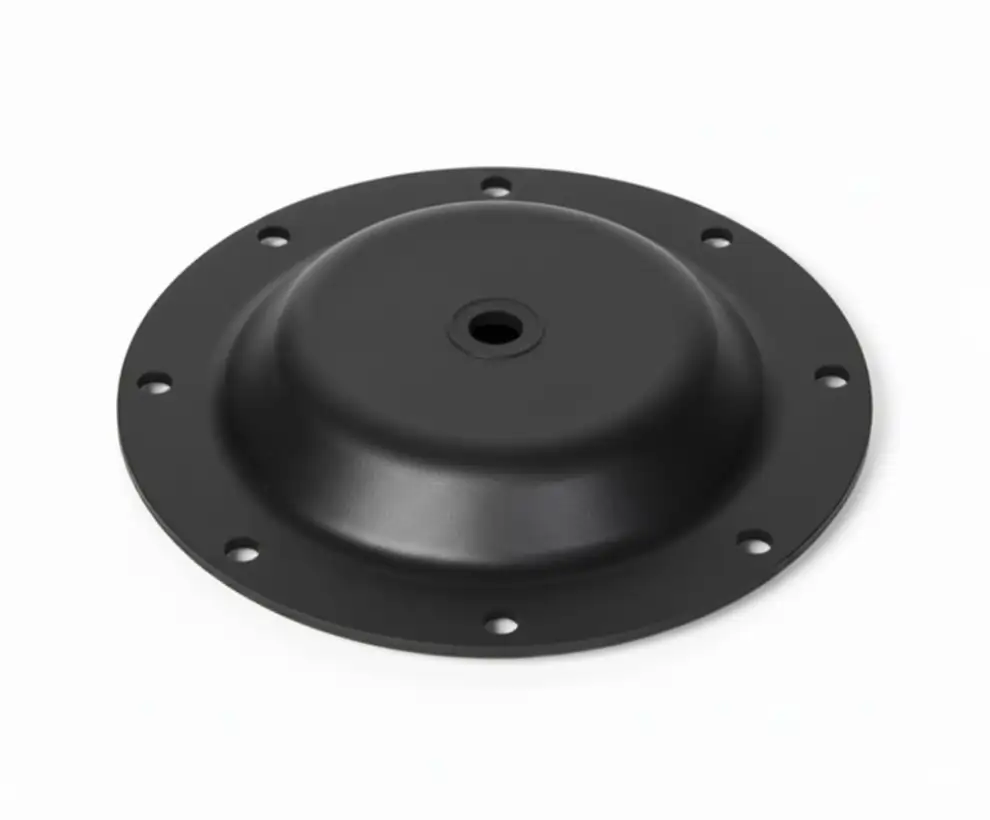
Rubber Diaphragms
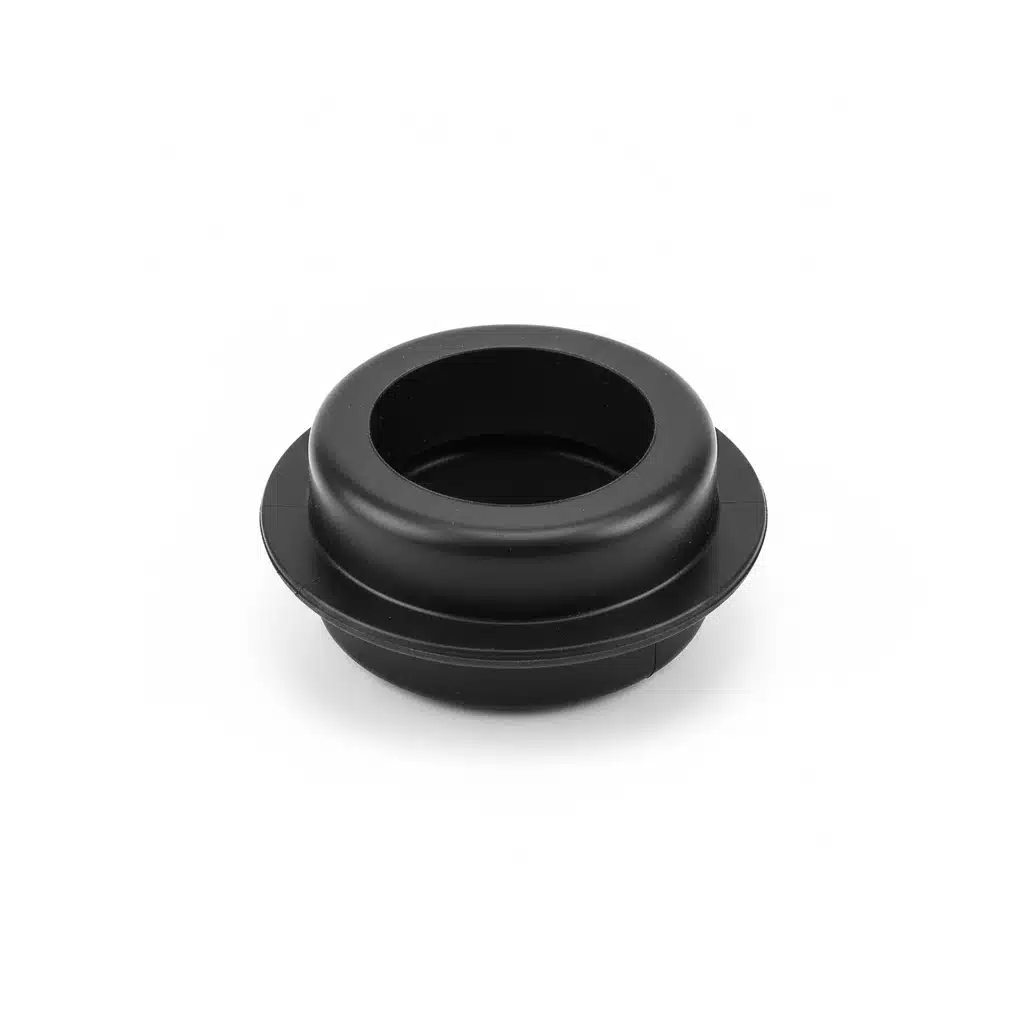
Rubber Grommets
Applications & Industries We Serve
Nitrile’s unique property profile makes it an indispensable material across a vast spectrum of industries. We manufacture mission-critical components for:

Automotive
The largest consumer of nitrile rubber. We produce fuel line O-rings, oil pan gaskets, water pump seals, engine grommets, and hydraulic hoses that must withstand constant exposure to fuel, oil, and engine fluids.

Industrial Manufacturing
Engineered for durability and resistance to industrial lubricants, our parts are used in heavy machinery for seals, dampers, bellows, and rollers.
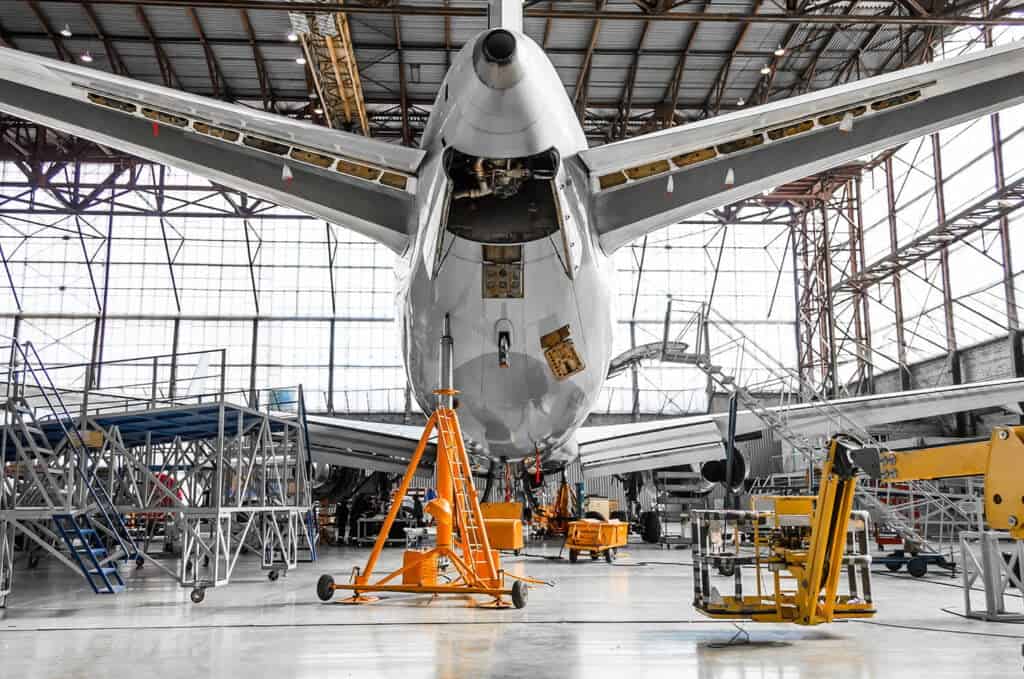
Aerospace & Defence
We mould high-reliability seals for hydraulic fluid and fuel systems in aircraft and ground vehicles, where performance under pressure is non-negotiable.

Oil & Gas
Nitrile components are crucial for seals, gaskets, and packers used in downhole equipment and fluid transfer systems, providing reliable performance against crude oil and drilling fluids.

Plumbing & Fluid Control
We manufacture gaskets and seals for valves and regulators used in water, natural gas, and propane handling systems.

Food Processing
We supply durable, FDA-compliant nitrile seals and gaskets for food-grade pumps, mixers, and fluid transfer systems, essential for hygiene and safety against oils, cleaning chemicals, and temperature fluctuations.
Frequently Asked Questions About Nitrile Moulding
How does Nitrile (NBR) compare to Hydrogenated Nitril (HNBR)?
HNBR is a specialty version of NBR where the polymer has been hydrogenated. This process significantly improves NBR’s resistance to heat, ozone, and many chemicals, raising its maximum service temperature to around 150°C (302°F). HNBR is more expensive and is used in more demanding applications, like high-temperature automotive systems.
Is nitrile rubber food-safe?
Standard industrial-grade nitrile is not food-safe. However, special compounds can be formulated to meet food-grade standards like FDA 21 CFR 177.2600. If your application requires food or beverage contact, you must specify this so the correct certified compound is used.
Can you manufacture nitrile parts in different colours?
Yes. While the natural colour of most nitrile compounds is black (due to the use of carbon black as a reinforcing filler), we can produce parts in a wide range of custom colours to meet your needs for branding, part identification, or aesthetics.
What is the typical lead time for custom moulded nitrile parts?
Lead times are dependent on part complexity and order volume, but tooling and initial samples are generally delivered in 4 weeks from design approval.
Can nitrile mouldings be used outdoors?
Standard nitrile is nor recommended for prolonged outdoor use due to poor resistance to UV and ozone. For outdoor applications, consider EPDM or request a specially compounded nitrile with protective additives.
Why Choose Viking Extrusions?
- Homepage
- >
- Rubber Moulding
- >
- Nitrile Rubber Moulding
Specialised Technical Insight
Our team bring deep expertise in nitrile rubber formulation and moulding, ensuring your components meet demanding oil and fuel requirements

Precision-Driven Quality
We follow stringent quality protocols, backed by ISO 9001 certification, to guarantee consistency from compound to final inspection.
Fast & Flexible Delivery
With streamlined workflows and responsive scheduling, we help you meet tight deadlines without sacrificing performance.
Collaborative Engineering Support
We work closely with your team to refine designs, troubleshoot issues, and deliver nitrile parts that exceed expectations.
Ready to start your next Nitrile moulding project?
Let our experts help you manufacture the perfect custom component.
Contact us today for a no-obligation quote and a detailed engineering consultation.