- Homepage
- >
- Rubber Moulding
- >
- Natural Rubber Moulding
Custom Natural Rubber Moulding:
Superior Resilience & Toughness
We offer custom natural rubber moulding services to produce resilient and tough components that provide superior elasticity, tear resistance, and shock absorption.

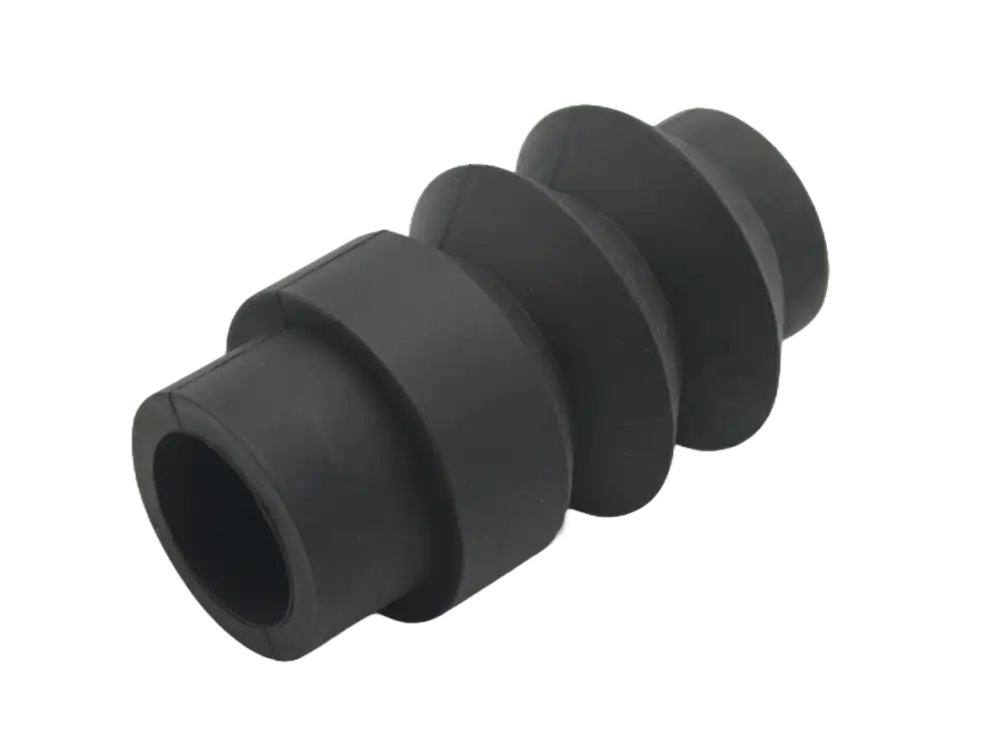
High-Performance Natural Rubber (NR) Components with Unmatched Mechanical Properties

What is Natural Rubber Moulding?
Natural Rubber moulding is the process of manufacturing components from the original high-performance elastomer, Natural Rubber (NR). Unlike the synthetic rubbers we have discussed, Natural Rubber is a bio-based polymer derived from the milky white latex sap of the Hevea brasiliensis tree. This raw latex is processed into a solid material which can then be compounded and moulded.
The moulding process involves shaping this compounded Natural Rubber in a custom mould using heat and pressure. This vulcanization process, first discovered by Charles Goodyear, creates cross-links between the long polyisoprene chains, transforming the soft, sticky raw material into a strong, highly elastic, and incredibly useful final product. The defining characteristic of Natural Rubber is not its chemical resistance, but its extraordinary suite of mechanical properties.
Our Natural Rubber Availability
View the table below for a detailed breakdown of the available colours, hardness ranges, and specialist grades for Natural Rubber and other common elastomers we offer.
| Material | Available Colours | Hardness (Shore A) | Specialist Grade Availability |
|---|---|---|---|
| EPDM | Black (standard), Blue, Biege | 35 - 90 | FDA, WRAS,Flame Retardant, EN45545-2, Antistatic/Conductive, Oil-Resistant, |
| Nitrile (NBR) | Black, (standard) Blue, Red, Brown | 40 - 90 | HNBR, XNBR, FDA, Metal Detectable, BS2751 |
| Natural Rubber (NR) | Black (standard) | 35 - 90 | FDA, Construction BS1154 |
| Neoprene (CR) | Black (standard) | 50 - 85 | Flame Retardant, BS2752 |
| FKM (Viton™) | Black (standard), Blue, Brown | 50 - 90 | FDA |
| Silicone (VMQ) | Translucent (natural) , All Colours | 20 - 80 | FDA, WRAS, Platinum Cured, Metal Detectable, Flame Retardant, EN45545-2 |
Key Properties & Advantages of Natural Rubber
Choosing Natural Rubber provides a unique combination of physical strengths that remain unmatched by many synthetic alternatives, making it essential for applications focused on durability and energy management.

Superior Resilience & Elasticity
Natural Rubber is the “bounciest” of all rubbers. It possesses exceptionally low hysteresis, which means it returns a very high percentage of the energy used to deform it. This high resilience makes it the undisputed champion for applications requiring energy absorption and release, such as high-performance springs and dampers.

Exceptional Tensile Strength & Tear Resistance
Even in its pure, unfilled state, Natural Rubber has very high tensile strength. When compounded with reinforcing fillers like carbon black, its strength and resistance to tearing and cutting become truly outstanding. This inherent toughness allows it to be stretched repeatedly to great lengths without breaking, ensuring a long service life in physically demanding roles.

Excellent Abrasion Resistance
The combination of high tear strength and elasticity gives Natural Rubber excellent resistance to wear from friction and abrasion. This makes it a first-class choice for applications like shot blast cabinet linings, chute liners in mining operations, and the treads of high-performance tyres.

Good Low-Temperature Flexibility
Natural Rubber maintains its flexibility and performance very well at low temperatures, typically down to -50°C (-58°F). Unlike some synthetic materials that can become brittle and shatter in the cold, NR remains pliable and effective.
Important Limitations to Consider
To select Natural Rubber correctly, it is crucial to understand its significant weaknesses:
- Poor Resistance to Oils, Fuels & Solvents: Natural Rubber has very poor resistance to hydrocarbon-based fluids. It will swell significantly, soften, and quickly degrade upon contact with oils, gasoline, greases, and most solvents.
- Vulnerability to Ozone, UV & Weathering: Without special protective additives (antiozonants and UV inhibitors), Natural Rubber is highly susceptible to attack from ozone and UV light, which will cause it to dry out and crack. It is not recommended for long-term outdoor use unless specifically compounded for it.
- Limited Heat Resistance: It has a relatively low maximum service temperature, typically around 80°C (176°F). Above this, its properties begin to degrade rapidly.
Compare the Properties of Natural Rubber Against other Elastomers
Explore this comprehensive comparison table detailing the resistance, temperature range, and mechanical performance of Natural Rubber compared to common elastomers like Neoprene, Silicone, FKM (Viton), and EPDM for various industrial applications.
| Property | Neoprene (CR) | Nitrile (NBR) | EPDM | Natural Rubber | FKM (Viton(tm)) | Silicone (VMQ) |
|---|---|---|---|---|---|---|
| Primary Attribute | Versatile All-Rounder | Oil and Fuel Resistant | Weather & Water Resistant | High Mechanical Strength | Extreme Heat and Chemical Resistant | Extreme Temperature Range |
| Abrasion Resistance | ⭐⭐⭐⭐ | ⭐⭐⭐ | ⭐⭐⭐ | ⭐⭐⭐⭐⭐ | ⭐⭐⭐ | ⭐ |
| Tear Resistance | ⭐⭐⭐⭐ | ⭐⭐⭐ | ⭐⭐⭐ | ⭐⭐⭐⭐⭐ | ⭐⭐ | ⭐⭐ |
| Tensile Strength | ⭐⭐⭐⭐ | ⭐⭐⭐⭐ | ⭐⭐⭐ | ⭐⭐⭐⭐⭐ | ⭐⭐⭐⭐ | ⭐⭐ |
| Resilience / Rebound | ⭐⭐⭐⭐ | ⭐⭐⭐ | ⭐⭐⭐⭐ | ⭐⭐⭐⭐⭐ | ⭐⭐ | ⭐⭐⭐ |
| Weather / Ozone / UV | ⭐⭐⭐⭐ | ⭐ | ⭐⭐⭐⭐⭐ | ⭐ | ⭐⭐⭐⭐⭐ | ⭐⭐⭐⭐⭐ |
| Water & Steam Resistance | ⭐⭐⭐⭐ | ⭐⭐⭐ | ⭐⭐⭐⭐⭐ | ⭐⭐⭐ | ⭐⭐⭐ | ⭐⭐⭐⭐ |
| Oil & Fuel Resistance | ⭐⭐⭐ | ⭐⭐⭐⭐⭐ | ⭐ | ⭐ | ⭐⭐⭐⭐⭐ | ⭐ |
| Acid & Alkali Resistance | ⭐⭐⭐⭐ | ⭐⭐⭐ | ⭐⭐⭐⭐⭐ | ⭐⭐⭐ | ⭐⭐⭐⭐⭐ | ⭐⭐⭐ |
| Flame Resistance | ⭐⭐⭐⭐ | ⭐ | ⭐ | ⭐ | ⭐⭐⭐⭐⭐ | ⭐⭐⭐⭐ |
| Temperature Range (Typical) | -40°C to 120°C | -35°C to 120°C | -50°C to 150°C | -50°C to 80°C | -20°C to 205°C | -60°C to 200°C |
| Cost | £££ | ££ | £££ | £ | £££££ | ££££ |
Our Natural Rubber Moulding Processes
Moulding Natural Rubber effectively requires a deep understanding of its unique compounding and curing characteristics to maximize its inherent mechanical advantages.
Natrual Rubber Injection Moulding
An efficient process for producing high volumes of consistent, high-quality NR parts.
- The Process: The NR compound is plasticized and injected under pressure into a closed mould, allowing for fast cycle times and automation.
- Advantages: Excellent for complex shapes, high repeatability, and cost-effective for large production runs.
- Best For: Automotive suspension bushings, small machinery mounts, and other high-volume dynamic components.

Natural Rubber Compression Moulding
A versatile and cost-effective method ideal for larger parts and lower volume production.
- The Process: A pre-weighed form of the NR compound is placed into the mould cavity and cured under immense pressure and heat.
- Advantages: Lower tooling costs, ideal for very large or thick parts, and excellent for high-hardness compounds.
- Best For: Large anti-vibration mounts for industrial machinery, bridge bearing pads, and protective linings.

Nitrile Transfer Moulding
A hybrid process that allows for more intricate designs and the inclusion of inserts.
- The Process: NR is forced from a transfer pot into the mould cavities, enabling more precise material flow and the ability to bond rubber to metal components.
- Advantages: Good for rubber-to-metal bonding, tighter tolerances than compression moulding.
- Best For: Engine mounts, bonded shock absorbers, and custom components with integrated metal fixtures.

Precision-Engineered Neoprene Moulded Components
Explore our core range of custom Natural Rubber (NR) components, specifically engineered to deliver superior, long-term performance in dynamic applications requiring maximum elasticity and abrasion resistance. These parts leverage Natural Rubber’s exceptional tensile strength, tear resistance, and superb resilience (rebound), making them indispensable for shock mounts, vibration isolators, and high-impact industrial applications. View our key moulded seals and bellows below, all manufactured with precision for high-integrity dampening and protection.
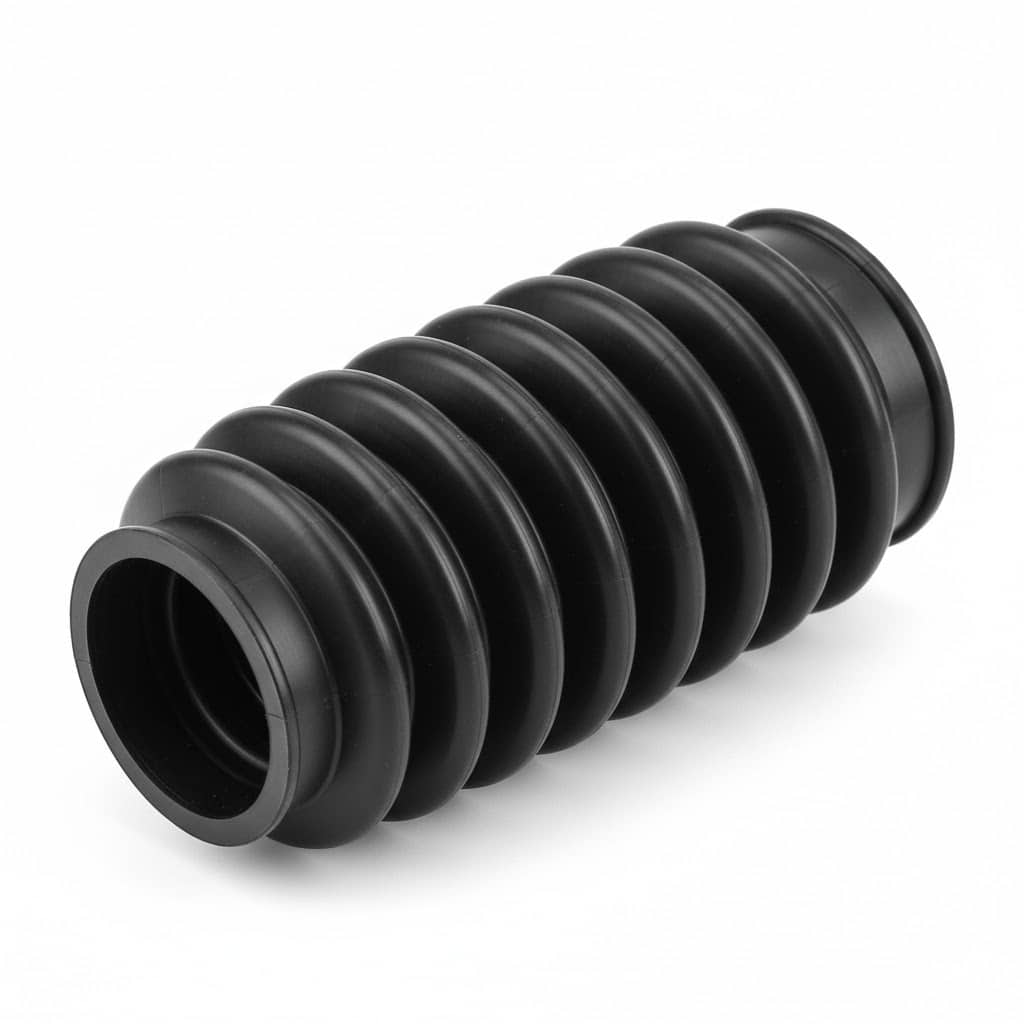
Rubber Bellows
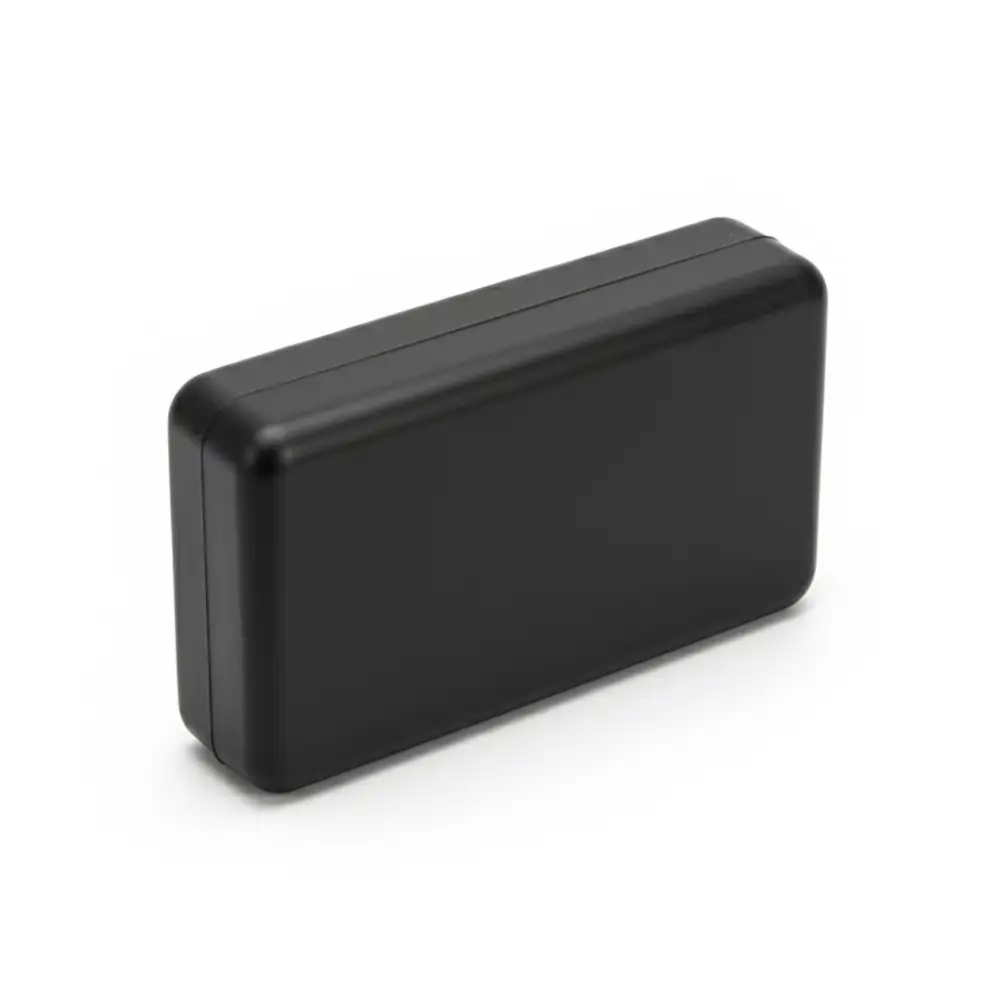
Rubber Blocks
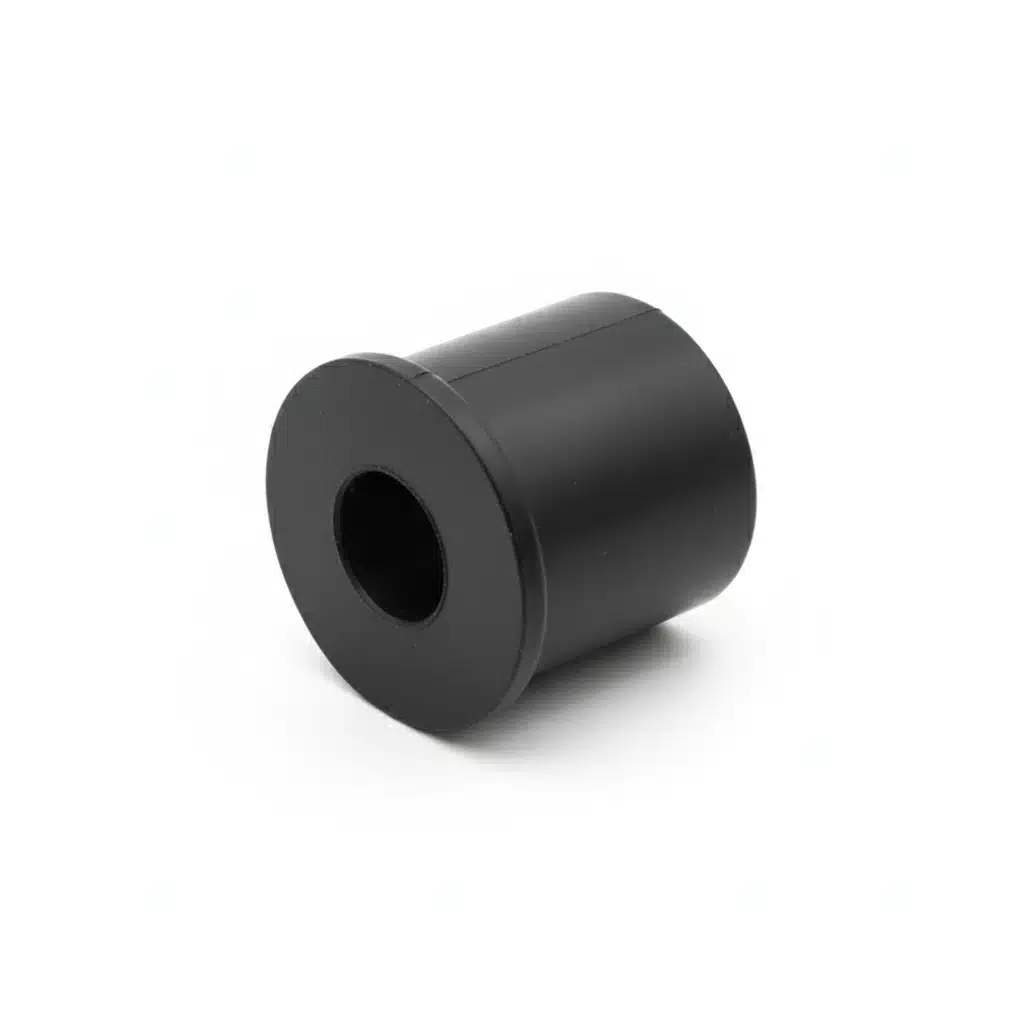
Rubber Bushes
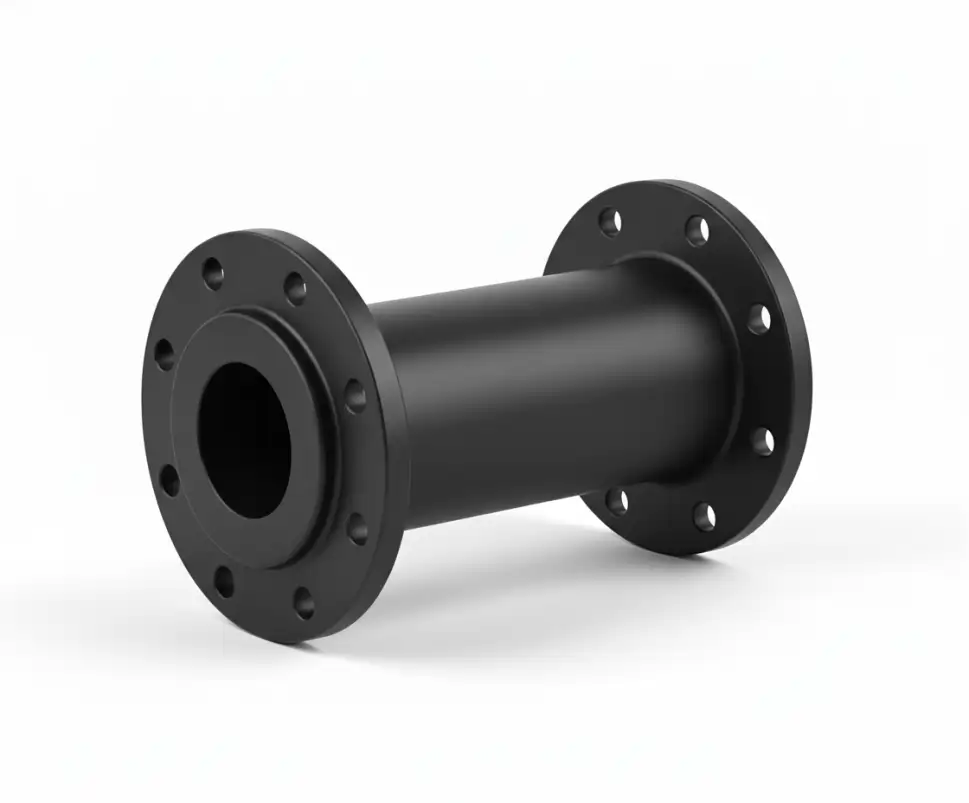
Rubber Flanges
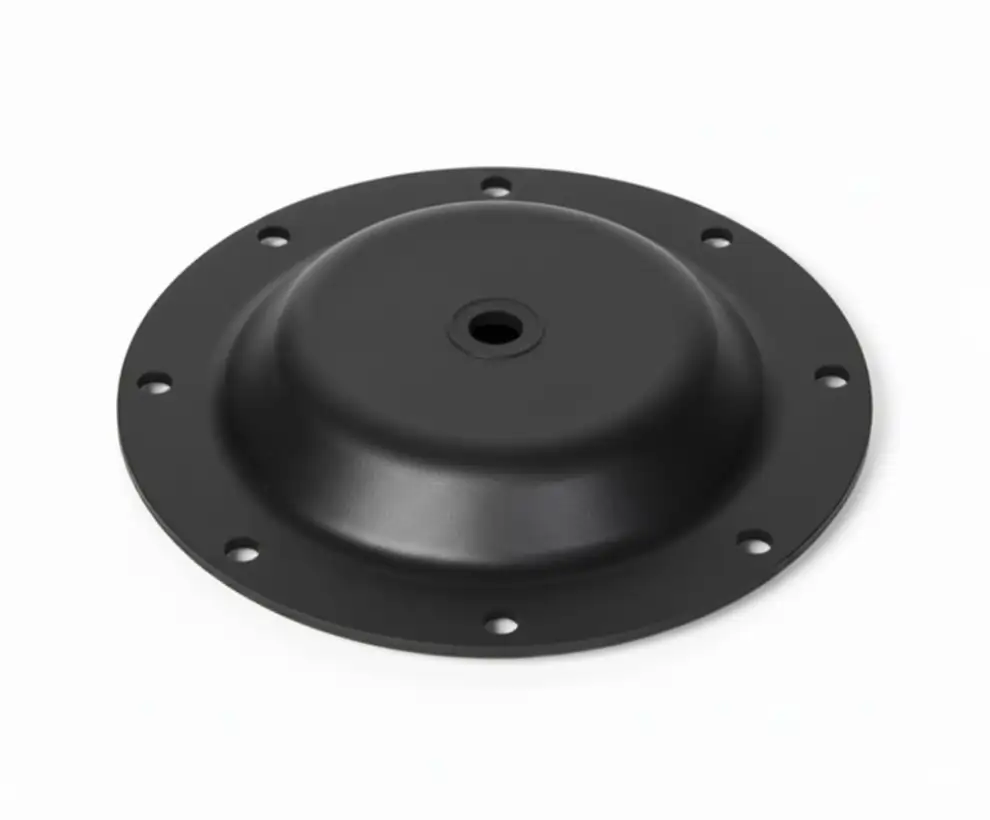
Rubber Diaphragms
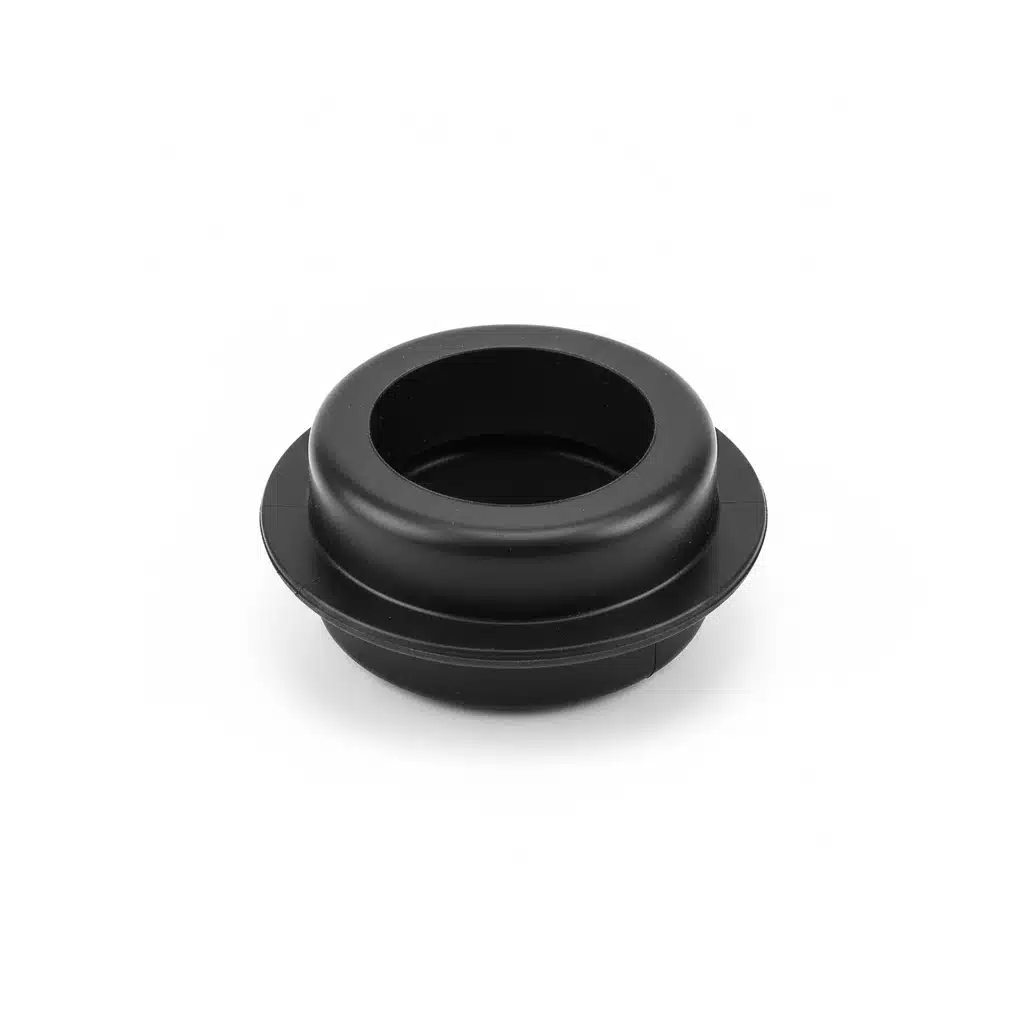
Rubber Grommets
Applications & Industries We Serve
Natural Rubber’s mechanical prowess makes it essential in sectors where energy absorption and durability are paramount:

Industrial & Engineering
The number one choice for anti-vibration mounts, shock absorbers, rubber springs, and flexible couplings for heavy machinery, protecting equipment and structures from vibration and impact.

Automotive
Used extensively for engine mounts, transmission mounts, and suspension bushings, where it isolates the chassis from engine and road vibrations.

Mining & Aggregates
Prized for its abrasion resistance in chute linings, pump housings, and conveyor belt covers that handle abrasive slurries and materials.

General Purpose Sealing
Excellent for seals, diaphragms, and gaskets in water-based systems where there is no exposure to oils or harsh chemicals.

Aerospace
Provides high-performance anti-vibration mounts to protect sensitive avionics from extreme G-forces and vibration. It’s also used for shock absorbers in landing gear and specific seals.

Construction and Civil Engineering
Essential for large bridge bearing pads that absorb traffic loads and structural movement. Also moulded into flexible expansion joints for buildings and large-scale pipe seals.
Frequently Asked Questions About Natural Rubber Moulding
Is Natural Rubber waterproof?
Yes, Natural Rubber has excellent water resistance and very low water absorption, making it a great material for sealing against water.
Why is Natural Rubber used for engine mounts instead of oil-resistant Nitrile
This is a classic engineering trade-off. While an engine bay has some oil exposure, the primary job of an engine mount is to absorb and damp massive amounts of vibration. Natural Rubber’s dynamic properties (high resilience, low heat build-up from flexing) are so superior for this task that it is the preferred choice. The parts are designed and positioned to minimise direct oil contact.
Is Natural Rubber biodegradable?
Natural rubber is derived from renewable resources and is biodegradable under the right conditions, making it an environmentally friendly choice.
Can Natural Rubber be sterilised for hygienic applications?
Natural rubber can be sterilised using certain methods, but it may degrade with repeated exposure to high heat or harsh chemicals. Please discuss your application with us for the best advice.
Is Natural rubber better than synthetic rubber?
It depends entirely on the application. For pure mechanical performance—resilience, strength, and tear resistance—Natural Rubber is often superior. However, for resistance to oil, chemicals, heat, or weathering, specialist synthetic rubbers like Nitrile, FKM, or EPDM are vastly better. The “best” rubber is the one that matches the specific demands of the environment.
Why Choose Viking Extrusions?
Mechanical Performance Expertise
Our team understands the dynamic behaviour of natural rubber, delivering components that excel in vibration damping and elasticity

End-to-End Quality Assurance
From raw material validation to final inspection, our ISO 9001 certified process ensures reliable, high-performance natural rubber parts.
Accelerated Production Capability
We combine speed and precision to meet your timelines, especially for high-volume or custom natural rubber applications.
Solution-Oriented Collaboration
We work with you to tackle DfM challenges, offering expert guidance throughout the development cycle.
Looking for natural rubber moulded parts?
Let our experts help you manufacture the perfect custom component.
Contact us today for a no-obligation quote and a detailed engineering consultation.