- Homepage
- >
- Rubber Moulding
- >
- Neoprene Rubber Moulding
Custom Neoprene Moulding:
Versatile & Tough Rubber Components
We specialize in custom neoprene moulding, providing versatile and tough rubber components that are resistant to oil, chemicals, and extreme weather

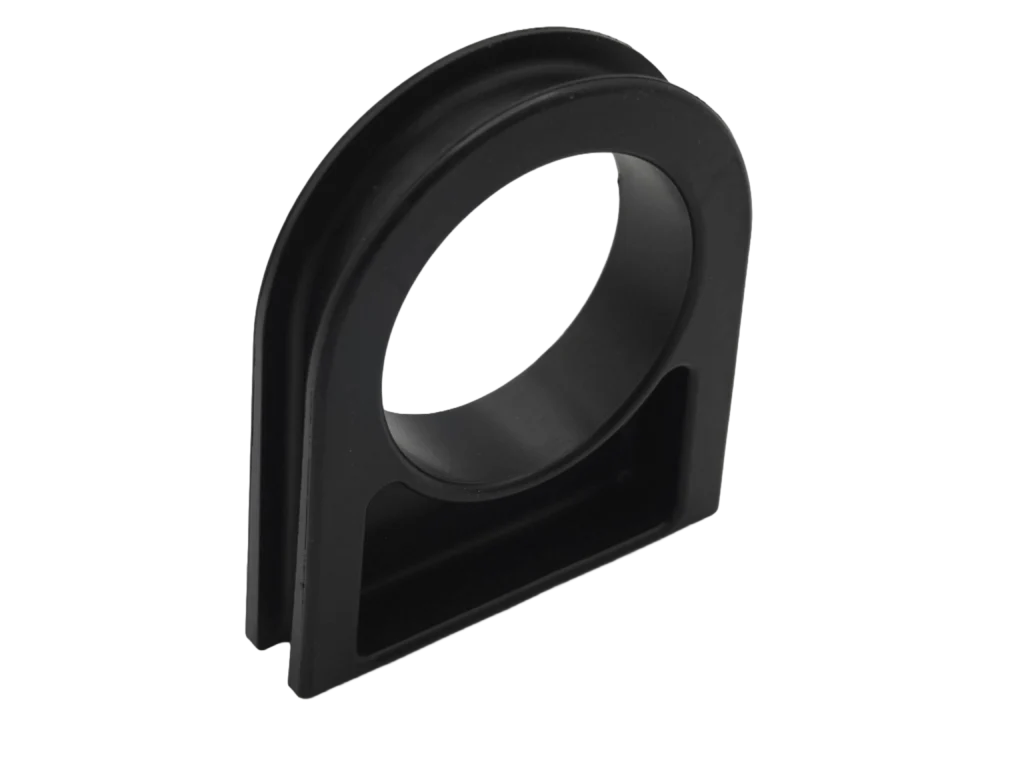
High Performance Neoprene (CR) Parts for Demanding, All-Purpose Applications

What is Neoprene (Polychloroprene) Rubber Moulding?
Neoprene moulding is the process of manufacturing custom parts from Polychloroprene (CR), a robust synthetic rubber. As one of the first commercially successful synthetic elastomers, Neoprene has a long-standing reputation for performance and reliability. The moulding process involves shaping the raw Neoprene compound in a custom-designed mould using heat and pressure. This vulcanization process creates a dense molecular structure, resulting in a finished part that is tough, resilient, and stable.
The key to Neoprene’s versatility lies in its molecular structure, which is a polymer of chloroprene. The presence of chlorine atoms in its backbone gives the material a unique combination of valuable properties, including a broader range of chemical resistance than many other general-purpose rubbers. This makes Neoprene a superb “jack-of-all-trades” elastomer, bridging the gap between general-purpose rubbers and more expensive speciality polymers.
Our Neoprene Rubber Availability
View the table below for a detailed breakdown of the available colours, hardness ranges, and specialist grades for Neoprene and other common elastomers we offer.
| Material | Available Colours | Hardness (Shore A) | Specialist Grade Availability |
|---|---|---|---|
| EPDM | Black (standard), Blue, Biege | 35 - 90 | FDA, WRAS,Flame Retardant, EN45545-2, Antistatic/Conductive, Oil-Resistant, |
| Nitrile (NBR) | Black, (standard) Blue, Red, Brown | 40 - 90 | HNBR, XNBR, FDA, Metal Detectable, BS2751 |
| Natural Rubber (NR) | Black (standard) | 35 - 90 | FDA, Construction BS1154 |
| Neoprene (CR) | Black (standard) | 50 - 85 | Flame Retardant, BS2752 |
| FKM (Viton™) | Black (standard), Blue, Brown | 50 - 90 | FDA |
| Silicone (VMQ) | Translucent (natural) , All Colours | 20 - 80 | FDA, WRAS, Platinum Cured, Metal Detectable, Flame Retardant, EN45545-2 |
Key Properties & Advantages of Moulded Neoprene
Choosing Neoprene for your moulded components provides a powerful, balanced property profile that makes it a trusted choice for thousands of applications.

A Unique, Balanced Resistance Profile

Excellent Physical Toughness & Abrasion Resistance
Moulded Neoprene parts are exceptionally durable. They exhibit high tensile strength, excellent resistance to tearing, and are highly resistant to damage from abrasion, flexing, and twisting. This physical robustness ensures a long service life in dynamic applications such as industrial hoses, conveyor belts, and vibration mounts.

Inherent Flame Resistance & Self-Extinguishing Properties
Thanks to its chlorine content, Neoprene burns much less readily than many other hydrocarbons. It is self-extinguishing, meaning it will stop burning once the flame source is removed. This critical safety feature makes it an essential material for applications in mass transit, electrical enclosures, and industrial wiring.

Good Water & Chemical Resistance
Neoprene performs very well in contact with water, both salt and fresh, making it an excellent choice for marine applications. It also provides good resistance to many inorganic chemicals and refrigerants (such as Freon®), making it a popular choice for seals in HVAC and refrigeration systems.
Key Limitations to Consider
While Neoprene is a fantastic all-rounder, it is a master of none. It is not recommended for applications involving strong oxidizing acids, esters, ketones, or chlorinated aromatic hydrocarbons. For applications requiring extreme high-temperature performance or resistance to aggressive oils and fuels, more specialised and expensive elastomers like Viton® (FKM) or HNBR would be a better choice.
Compare the Properties of Neoprene Against other Elastomers
Explore this comprehensive comparison table detailing the resistance, temperature range, and mechanical performance of Neoprene rubber (CR) compared to common elastomers like Nitrile, Silicone, FKM (Viton), and EPDM for various industrial applications.
| Property | Neoprene (CR) | Nitrile (NBR) | EPDM | Natural Rubber | FKM (Viton(tm)) | Silicone (VMQ) |
|---|---|---|---|---|---|---|
| Primary Attribute | Versatile All-Rounder | Oil and Fuel Resistant | Weather & Water Resistant | High Mechanical Strength | Extreme Heat and Chemical Resistant | Extreme Temperature Range |
| Abrasion Resistance | ⭐⭐⭐⭐ | ⭐⭐⭐ | ⭐⭐⭐ | ⭐⭐⭐⭐⭐ | ⭐⭐⭐ | ⭐ |
| Tear Resistance | ⭐⭐⭐⭐ | ⭐⭐⭐ | ⭐⭐⭐ | ⭐⭐⭐⭐⭐ | ⭐⭐ | ⭐⭐ |
| Tensile Strength | ⭐⭐⭐⭐ | ⭐⭐⭐⭐ | ⭐⭐⭐ | ⭐⭐⭐⭐⭐ | ⭐⭐⭐⭐ | ⭐⭐ |
| Resilience / Rebound | ⭐⭐⭐⭐ | ⭐⭐⭐ | ⭐⭐⭐⭐ | ⭐⭐⭐⭐⭐ | ⭐⭐ | ⭐⭐⭐ |
| Weather / Ozone / UV | ⭐⭐⭐⭐ | ⭐ | ⭐⭐⭐⭐⭐ | ⭐ | ⭐⭐⭐⭐⭐ | ⭐⭐⭐⭐⭐ |
| Water & Steam Resistance | ⭐⭐⭐⭐ | ⭐⭐⭐ | ⭐⭐⭐⭐⭐ | ⭐⭐⭐ | ⭐⭐⭐ | ⭐⭐⭐⭐ |
| Oil & Fuel Resistance | ⭐⭐⭐ | ⭐⭐⭐⭐⭐ | ⭐ | ⭐ | ⭐⭐⭐⭐⭐ | ⭐ |
| Acid & Alkali Resistance | ⭐⭐⭐⭐ | ⭐⭐⭐ | ⭐⭐⭐⭐⭐ | ⭐⭐⭐ | ⭐⭐⭐⭐⭐ | ⭐⭐⭐ |
| Flame Resistance | ⭐⭐⭐⭐ | ⭐ | ⭐ | ⭐ | ⭐⭐⭐⭐⭐ | ⭐⭐⭐⭐ |
| Temperature Range (Typical) | -40°C to 120°C | -35°C to 120°C | -50°C to 150°C | -50°C to 80°C | -20°C to 205°C | -60°C to 200°C |
| Cost | £££ | ££ | £££ | £ | £££££ | ££££ |
Our Proven Neoprene Moulding Processes
We leverage the full spectrum of moulding technologies to ensure your Neoprene component is manufactured with the ideal balance of precision, cost-effectiveness, and quality.
Neoprene Injection Moulding
Ideal for high-volume orders of complex and dimensionally critical Neoprene parts.
- The Process: Molten Neoprene is injected under high pressure into a multi-cavity mould for rapid and repeatable production.
- Advantages: Very fast cycle times, excellent for intricate designs, highly automated, and cost-effective at scale.
- Best For: Automotive components, complex electrical grommets, and high quantities of seals and gaskets.

Neoprene Compression Moulding
A robust and economical method, especially for larger, less complex parts and prototype or medium-volume runs.
- The Process: A pre-weighed form of raw Neoprene is placed into a heated mould, which is then pressed closed to form and cure the part.
- Advantages: Lower initial tooling costs, ideal for large or bulky parts, and suitable for very firm (high durometer) compounds.
- Best For: Bridge bearing pads, large industrial vibration mounts, large-area gaskets, and protective bumpers.

Neoprene Transfer Moulding
This process offers a middle ground, providing more complexity than compression moulding while being more cost-effective than injection moulding for medium volumes.
This process offers a middle ground, providing more complexity than compression moulding while being more cost-effective than injection moulding for medium volumes.
- The Process: Neoprene is placed in a separate “pot” and forced through channels into the closed mould cavities.
- Advantages: Allows for the precise moulding of metal inserts, offers tighter tolerances than compression moulding, and is well-suited for more complex geometries.
- Best For: Components with bonded metal inserts, complex seals, and electronic mounts.

Precision-Engineered Neoprene Moulded Components
Explore our core range of custom Neoprene (Polychloroprene) rubber components, specifically engineered to deliver superior, long-term performance in environments requiring a balanced resistance profile. These parts leverage Neoprene’s exceptional resistance to weathering, ozone, moderate oils, and flame spread, making them indispensable for industrial gasketing, outdoor construction, and electrical enclosure applications. View our key moulded seals and bellows below, all manufactured with precision for high-integrity sealing and protection.
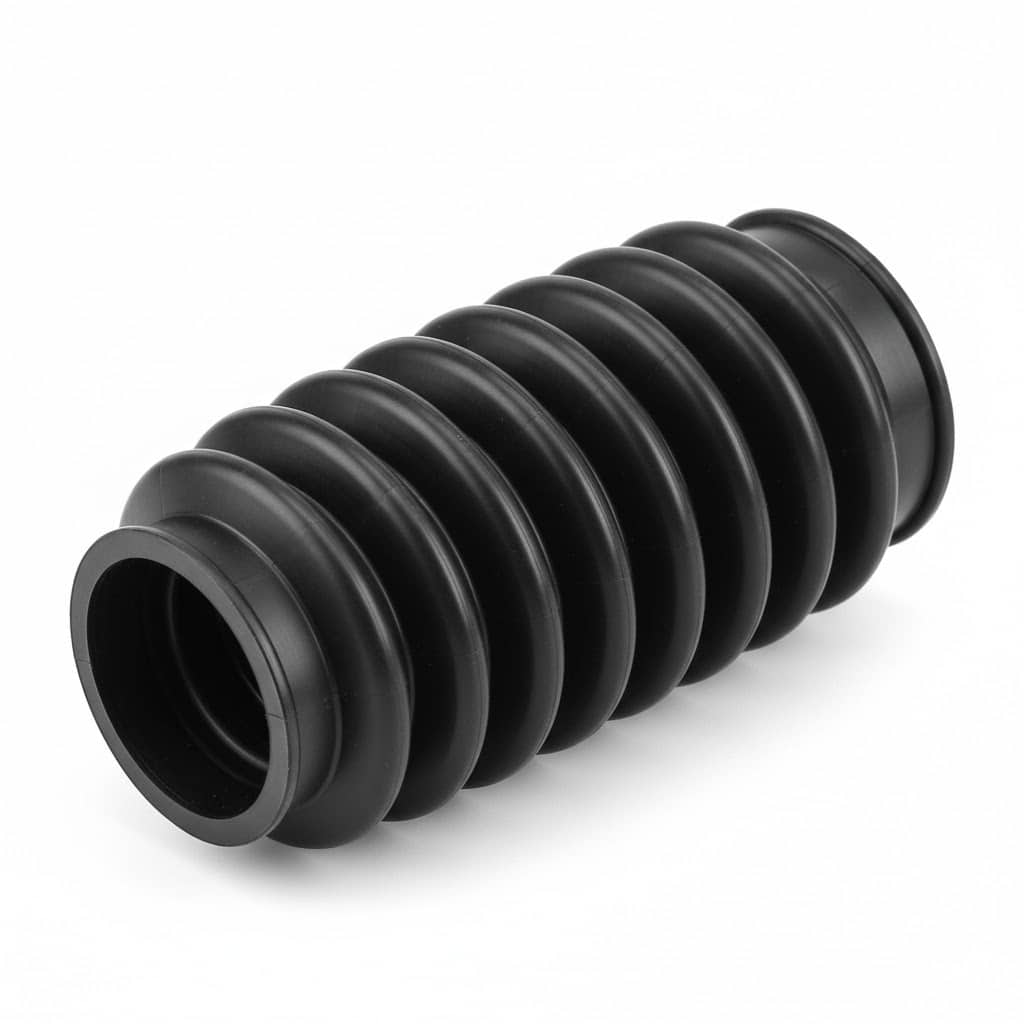
Rubber Bellows
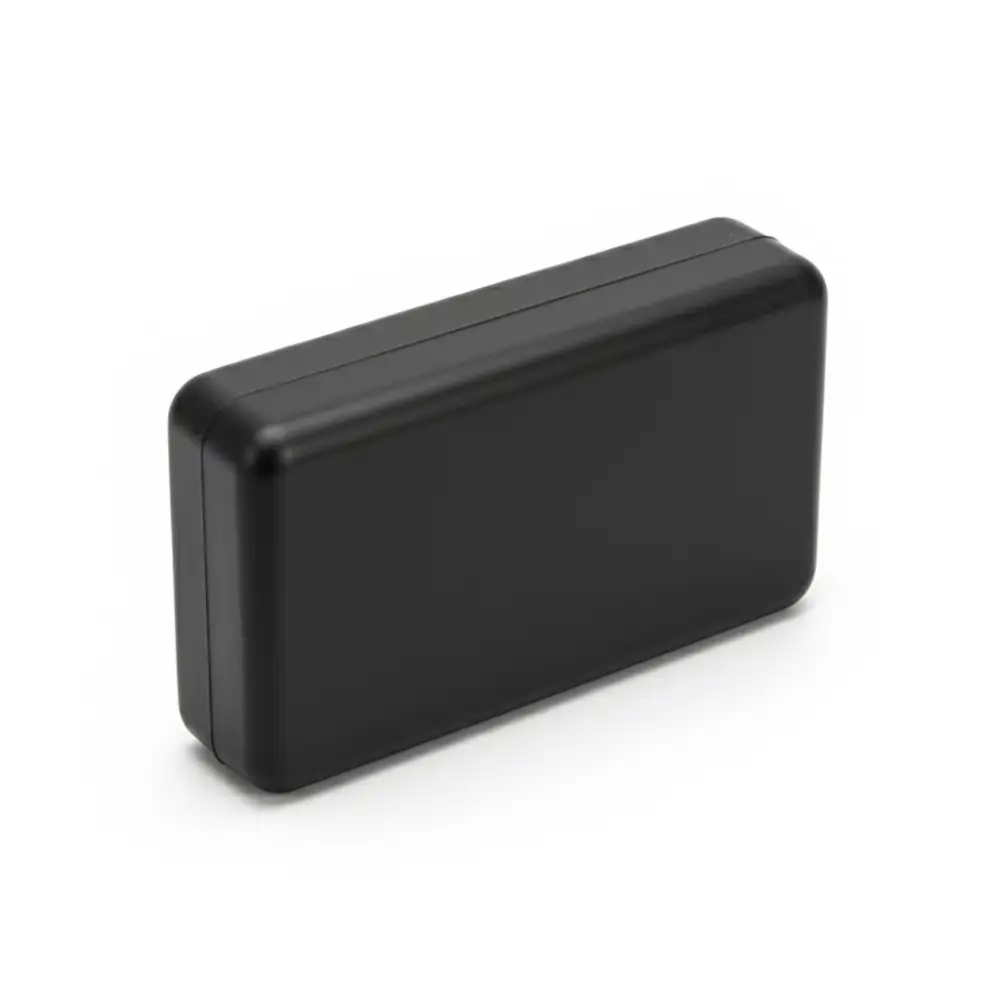
Rubber Blocks
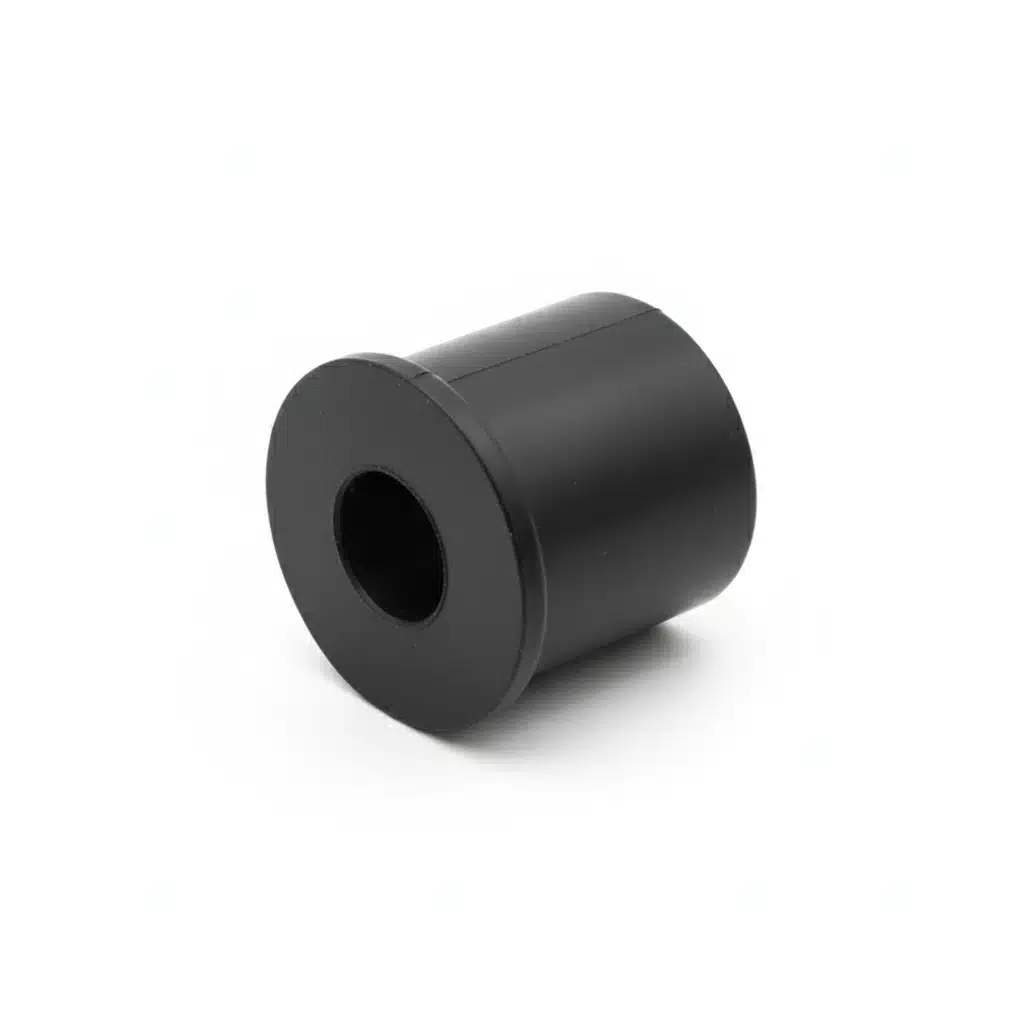
Rubber Bushes
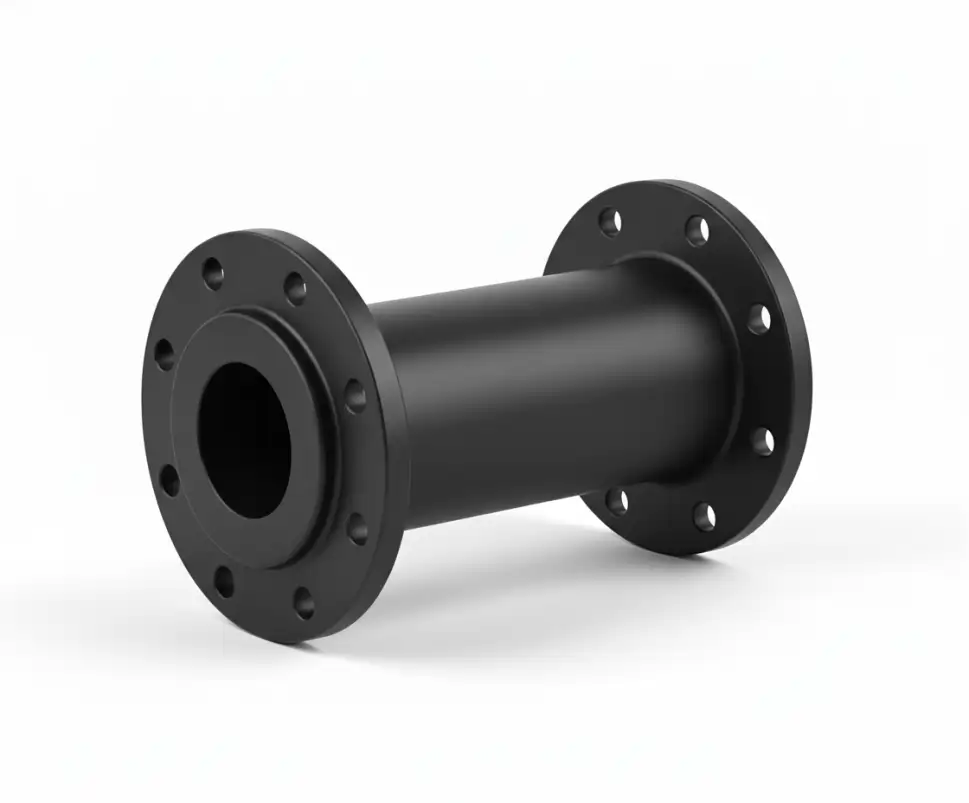
Rubber Flanges
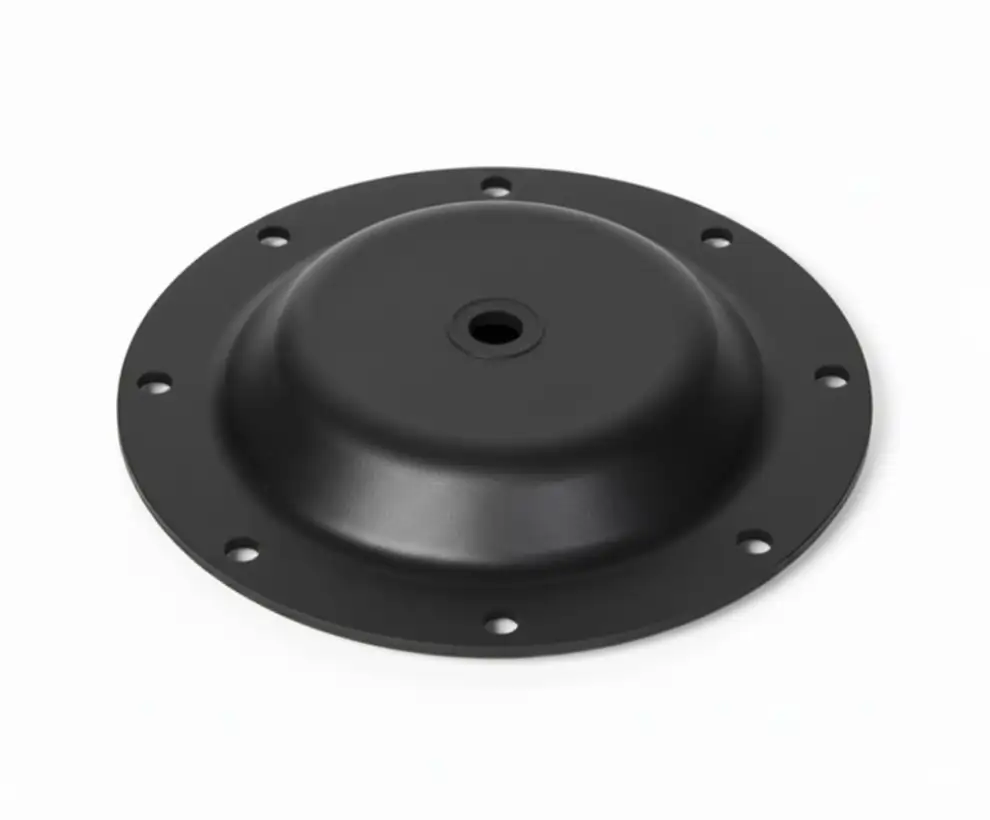
Rubber Diaphragms
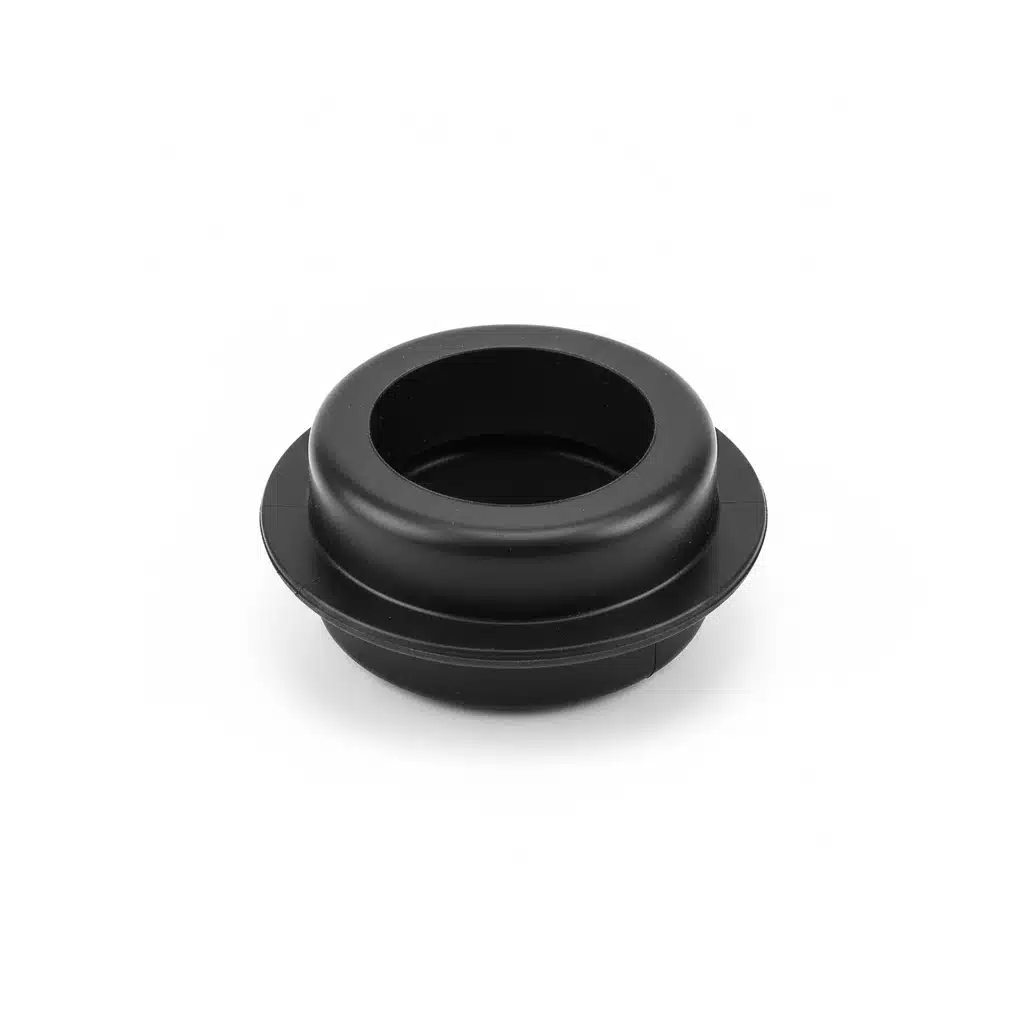
Rubber Grommets
Applications & Industries We Serve
Neoprene’s balanced profile makes it a highly sought-after material across many demanding sectors:

Construction
Construction: A leading material for structural bearing pads for bridges and buildings, expansion joints, and high-performance window glazing seals.

Industrial Manufacturing
Used for chemical and abrasion-resistant hoses, conveyor belts, power transmission belts, vibration mounts, and machinery gaskets where both oil and weather exposure are factors.

Aerospace & Defence
We mould high-reliability seals for hydraulic fluid and fuel systems in aircraft and ground vehicles, where performance under pressure is non-negotiable.

Electrical
The go-to choice for protective wire and cable jacketing, outdoor enclosure seals, and electrical transformer gaskets due to its flame and weather resistance.

Mass Transit & Marine
Essential for seals, gaskets, hoses, and flooring in buses, trains, and marine vessels, where passenger safety (flame resistance) and durability are paramount.

HVAC & Refrigeration
Widely used for gaskets and seals in commercial refrigeration units due to its excellent resistance to refrigerants and temperature fluctuations.
Frequently Asked Questions About Neoprene Moulding
Is Neoprene the same as natural rubber?
No. Natural rubber is derived from the latex of the rubber tree. Neoprene (Polychloroprene) is a synthetic rubber produced through the polymerization of chloroprene. While they share some properties like good toughness, Neoprene offers significantly better resistance to oil, ozone, heat, and flame.
Is Neoprene truly waterproof?
Yes, Neoprene has excellent water resistance. It has a closed-cell structure that does not absorb water, which is why it’s famously used to make wetsuits and is a reliable material for marine seals, gaskets, and hoses.
What is the main advantage of Neoprene over EPDM or Nitrile?
The main advantage is its versatility. Where Nitrile excels with oil but fails in weather, and EPDM excels in weather but fails with oil, Neoprene offers a competent, middle-ground performance against both. It is the ideal choice when you need a single material to withstand a mixed bag of moderate environmental and chemical challenges.
Is Neoprene safe for use in medical applications?
Standard Neoprene is not food- or medical-grade, but special compounds can be formulated for these uses. Please specify your requirements.
How does Neoprene perform at low temperatures?
Neoprene remains flexible at temperatures down to around -40°C, making it suitable for many cold-weather applications.
Why Choose Viking Extrusions?
Rubber Technology Leadership
With decades of experience, we deliver neoprene parts that balance flexibility, weather resistance and mechanical strength.

Robust Quality Framework
Our ISO 9001 certified quality system ensures our neoprene components are inspected for dimensional accuracy and material integrity.
Responsive Production Cycles
We adapt quickly to your needs, maintaining high standards while accelerating time-to-market.
Integrated Project Partnership
We become and extension of your team, helping you navigate neoprene’s unique properties to achieve optimal results.
Ready to start your next Neoprene moulding project?
Let our experts help you manufacture the perfect custom component.
Contact us today for a no-obligation quote and a detailed engineering consultation.