Silicone Extrusions
Custom and standard silicone rubber extrusions manufactured in Worthing, West Sussex. From simple cord and strip to complex bespoke profiles and silicone rubber seals: any cross-section, any quantity, any grade. We produce all extrusion tooling in-house for faster lead times and tighter quality control.
Silicone Profiles for Every Application
From simple O-rings and cord to complex multi-cavity profiles, we manufacture silicone extrusions in virtually any cross-section. Every profile is produced using our own in-house tooling for faster turnaround and tighter quality control.
- 10,000+ existing die profiles in our library
- Custom tooling from 5 working days
- Any colour: RAL & Pantone matching
- Solid & sponge grades available

UK Silicone Rubber Extrusion Manufacturers
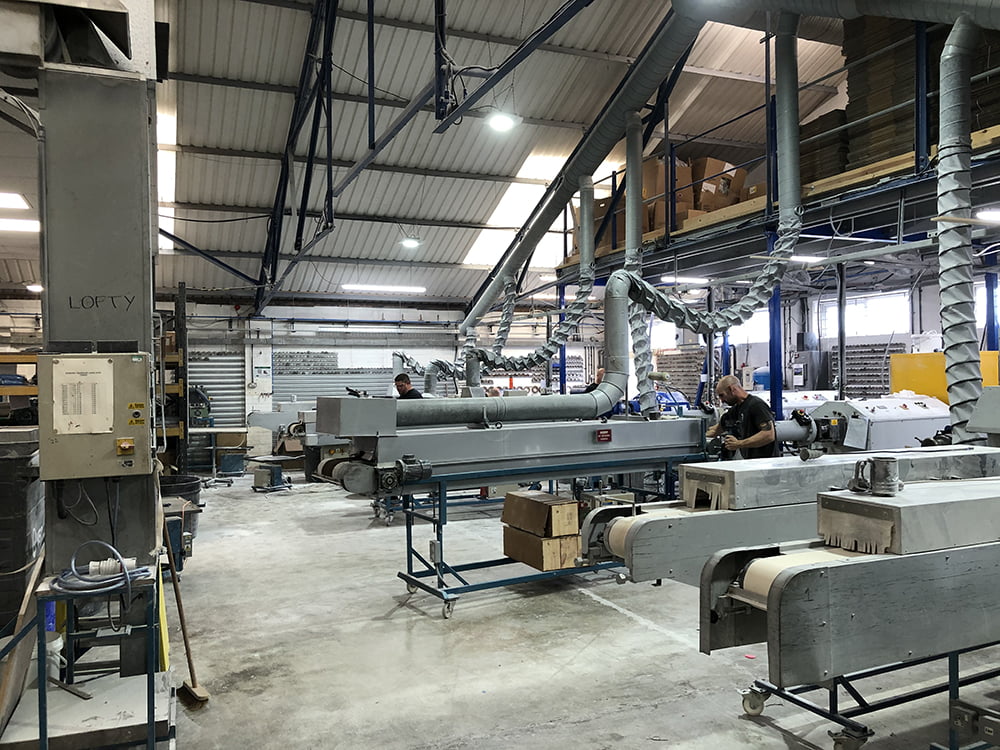
Viking Extrusions is a leading silicone extrusion manufacturer based in Worthing, West Sussex. We produce high-performance silicone rubber extrusions for industries ranging from food processing and construction to automotive and medical devices.
Our silicone extrusion capabilities cover the full spectrum, from standard profiles, tubing, cord, and strip to fully bespoke cross-sections designed and tooled to your exact specifications. Whether you need 10 metres of prototype material or a 10,000-metre production run, we deliver consistent quality with short lead times.
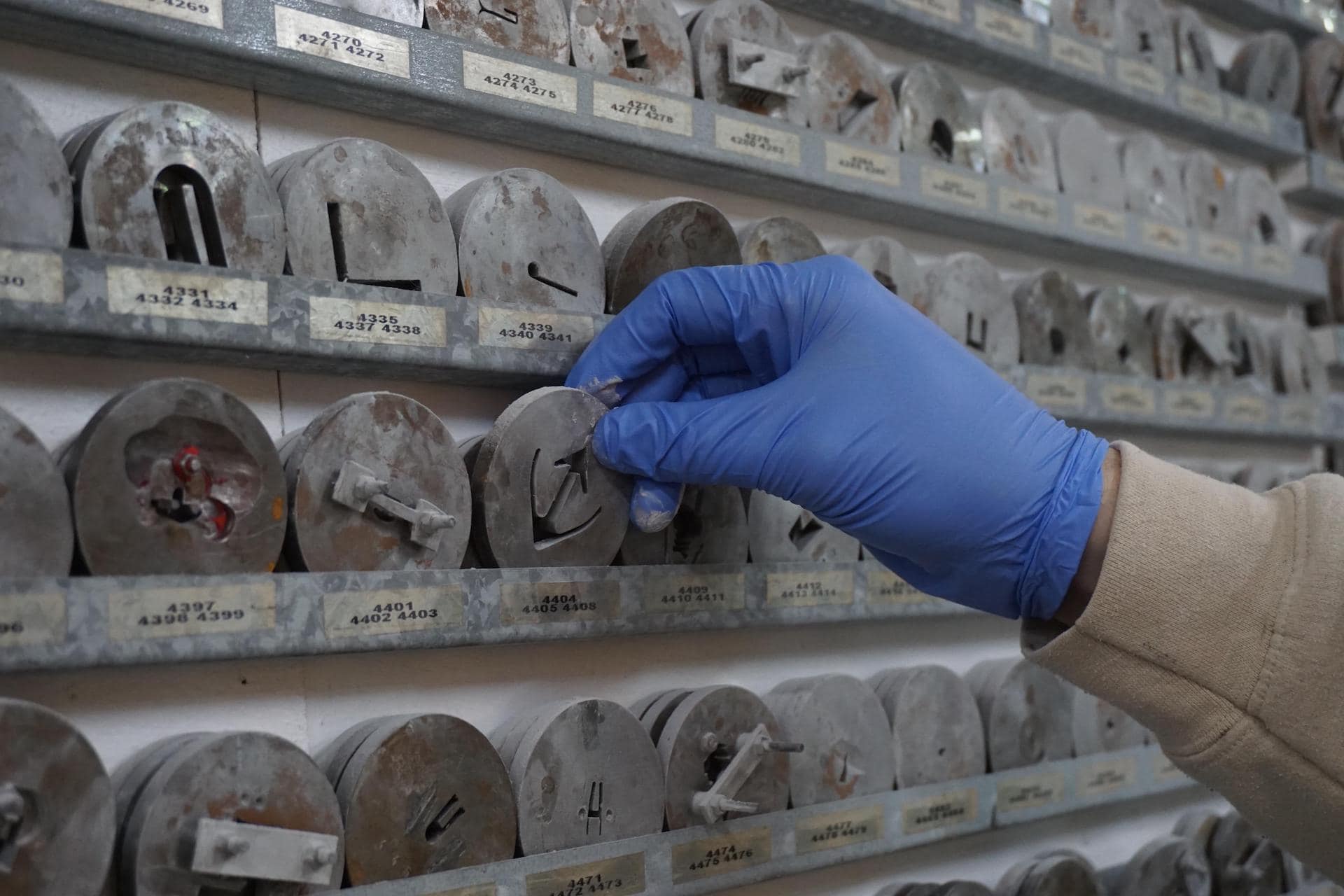
Every silicone extrusion profile is manufactured in-house using our own compound formulations and precision tooling. Critically, we produce all of our own extrusion tooling. This means faster lead times, tighter quality assurance, and the ability to iterate on designs quickly without relying on third-party tool makers. We hold a comprehensive library of existing dies, and our engineering team can design new tooling from your drawings, samples, or sketches, typically in as little as 5 working days.

Our Silicone Product Range
We manufacture silicone extrusions in every standard profile type, plus fully custom cross-sections. Click any product to learn more.
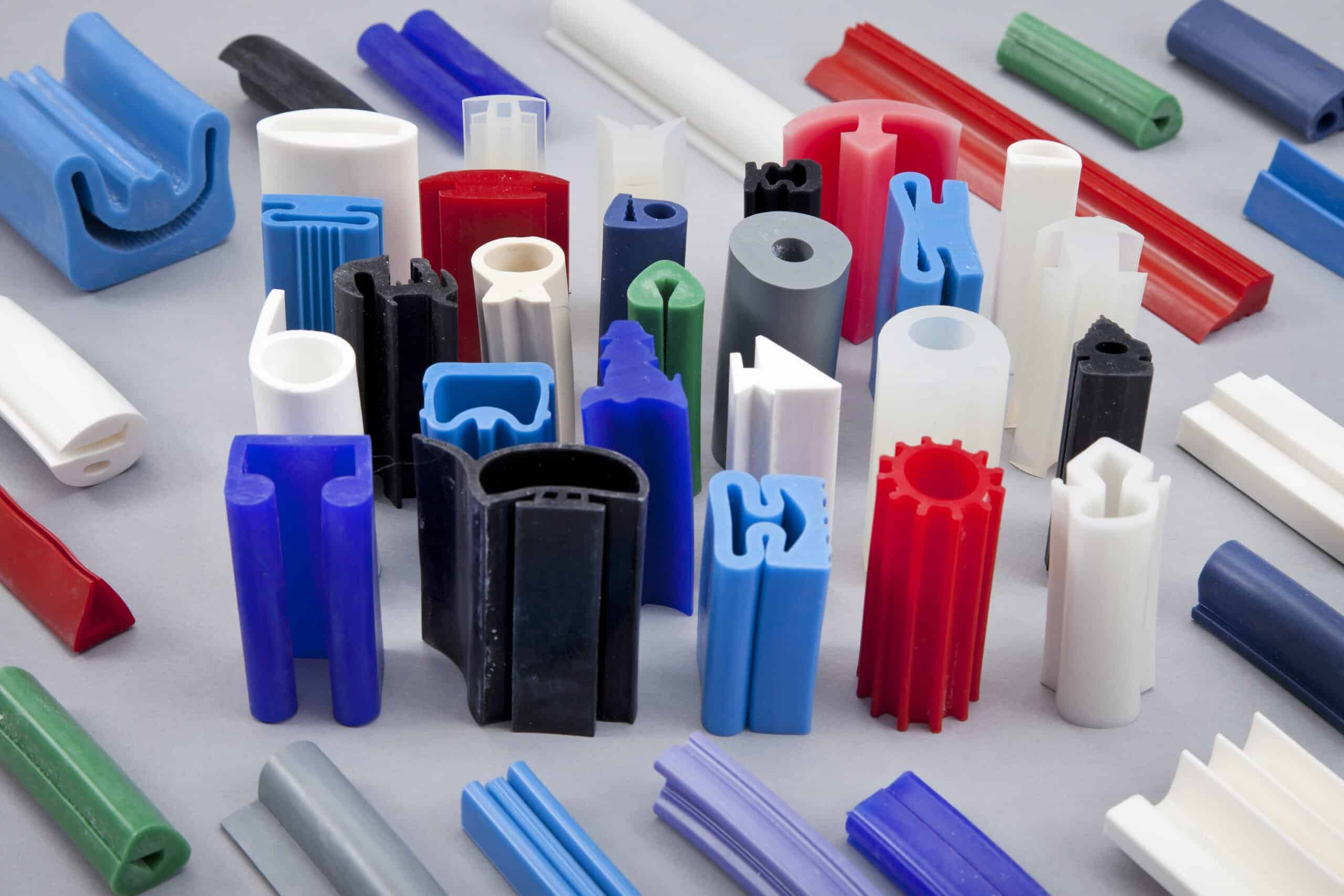

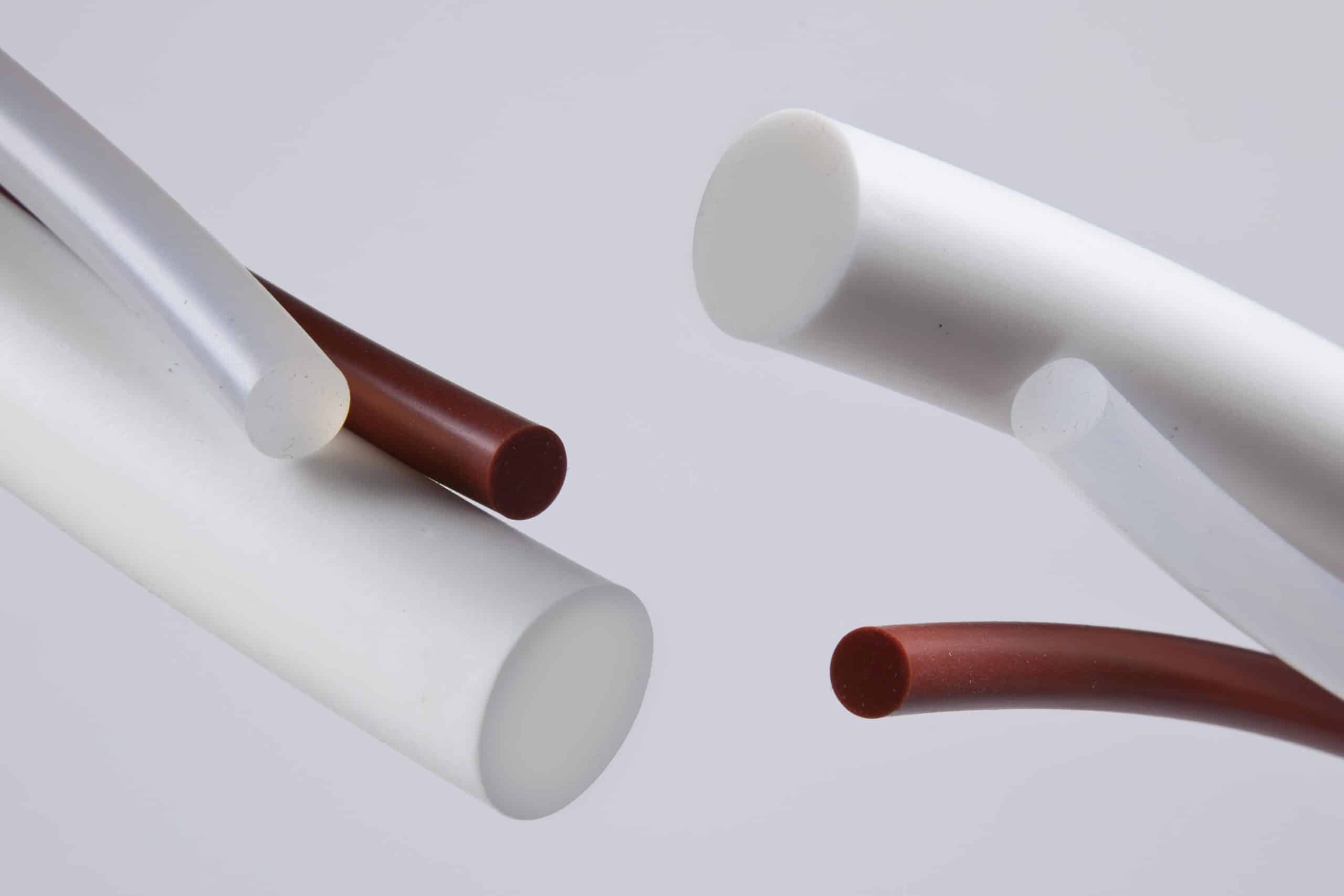
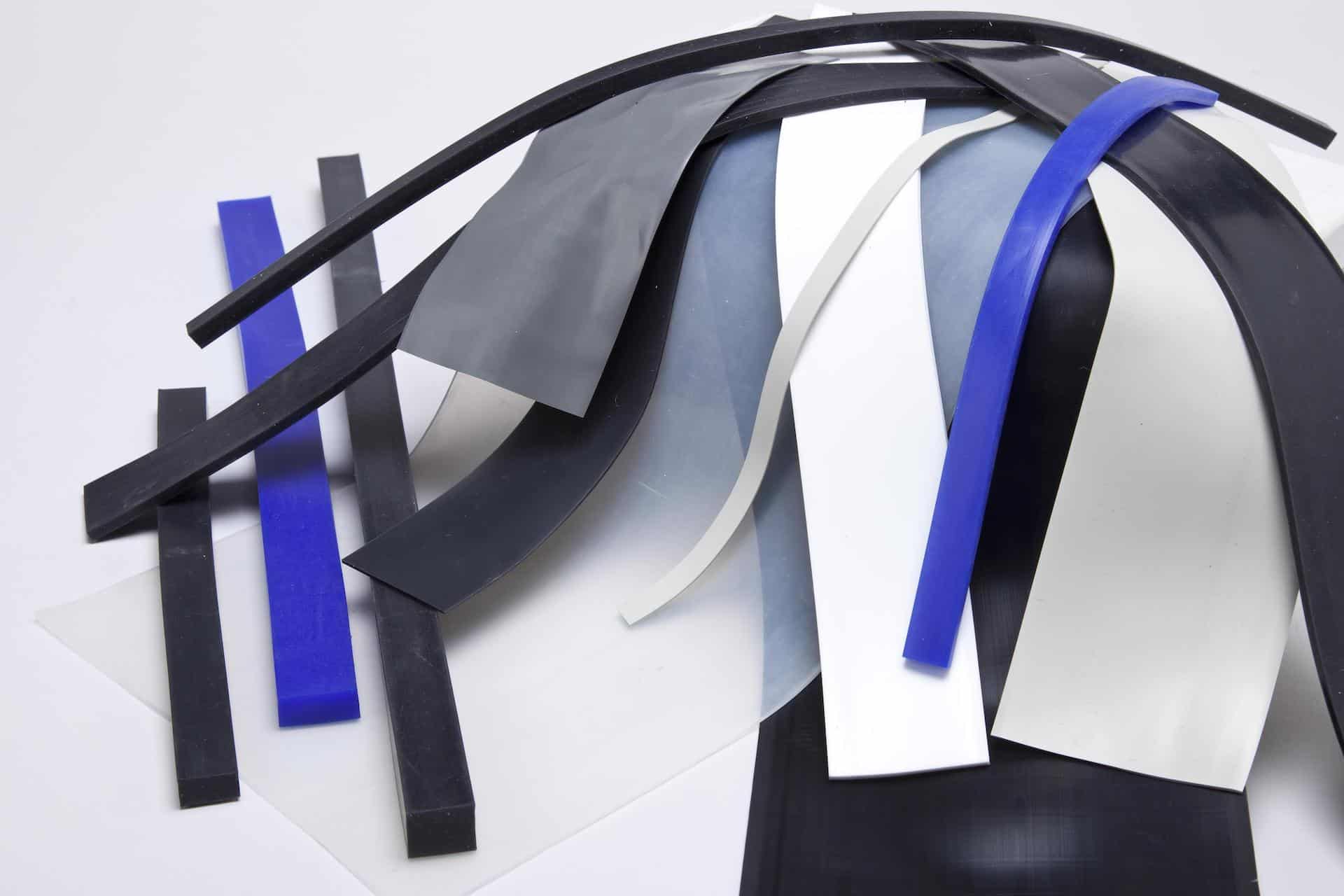
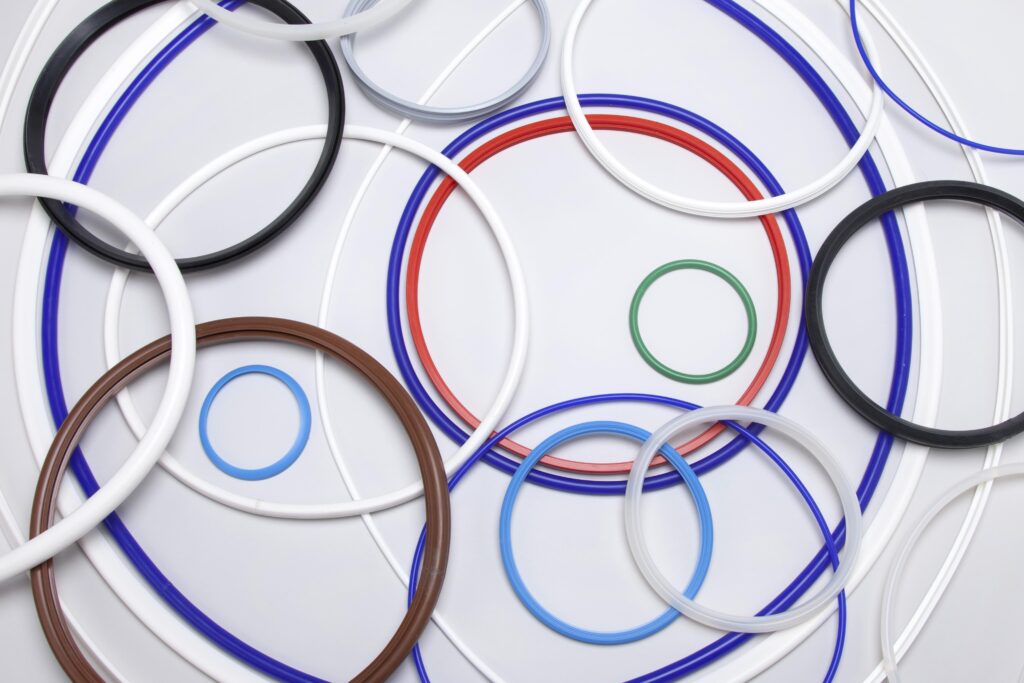
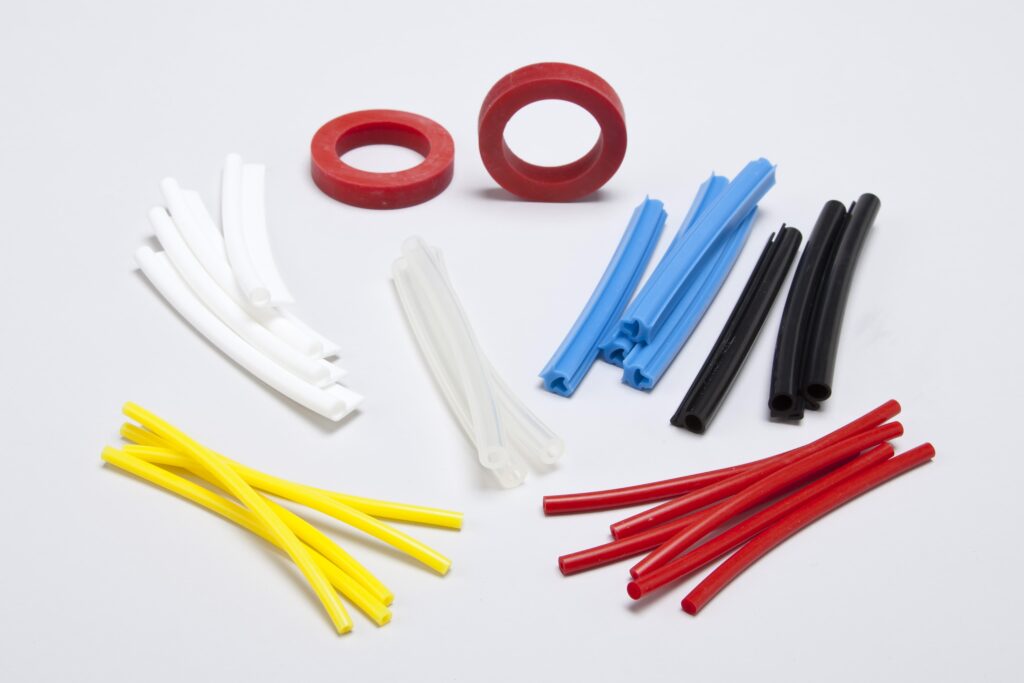
Silicone Extrusion Profile Shapes We Manufacture
From our library of over 10,000 existing dies we extrude every standard profile shape. If the shape you need doesn't exist yet, we'll tool it from 5 working days. Click any profile to view specifications.


All profiles are manufactured to BS 3734-1 / ISO 3302-1 tolerance Class E3 as standard, with Class E2 close tolerance available on request, in any of our silicone rubber grades and hardnesses from Shore A 20 to 80.
Material Grades for Every Application
We formulate and extrude silicone rubber in a range of specialist grades, each engineered for specific performance requirements.
- Temperature: -50°C to +200°C
- Shore A: 20 to 80
- Excellent compression set
- UV and ozone resistant
- FDA 21 CFR 177.2600
- EC 1935/2004 compliant
- Odourless and tasteless
- Autoclave resistant
- Temperature: -50°C to +300°C
- Low heat ageing
- Retains flexibility at extremes
- Ideal for oven door seals
- Low smoke and toxicity
- EN 45545-2 rail compliant
- Cable management seals
- Density: 150–500 kg/m³
- Excellent compression recovery
- IP rated sealing
- Thermal & acoustic insulation
- Carbon-filled conductive
- Metal-detectable for food
- Fluorosilicone (FVMQ)
- Custom compound formulation
Food, medical and pharmaceutical grades are available in both platinum-cured and peroxide-cured silicone: platinum cure offers superior purity, clarity and low volatiles for the most demanding applications. Read our guide to platinum vs peroxide cured silicone, or see the full range of silicone rubber grades.
Why Choose Silicone Over Other Rubbers?
Silicone outperforms most elastomers in temperature range, UV resistance, and food safety. Here’s how it compares.
| Property | Silicone (VMQ) | EPDM | Neoprene | Nitrile (NBR) |
|---|---|---|---|---|
| Temperature Range | -50 to +300°C | -40 to +130°C | -30 to +120°C | -30 to +120°C |
| UV / Ozone Resistance | ✓ Excellent | ✓ Good | ○ Fair | ✗ Poor |
| Food Safe (FDA) | ✓ Yes | ○ Limited | ✗ No | ○ Limited |
| Oil / Fuel Resistance | ○ Fair | ✗ Poor | ✓ Good | ✓ Excellent |
| Flame Retardancy | ✓ Inherent | ✗ No | ○ Moderate | ✗ No |
| Compression Set | ✓ Excellent | ✓ Good | ○ Fair | ○ Fair |
| Colour Options | ✓ Any colour | Black standard | Black standard | Black standard |
| Cost | ○ Higher | ✓ Lower | ✓ Lower | ✓ Lower |
When to choose silicone: If your application involves extreme temperatures, UV exposure, food contact, or needs to meet flame-retardancy standards, silicone is almost always the best choice. For applications that are primarily oil or fuel-exposed and don’t require temperature resistance, Neoprene or Nitrile may be more cost-effective. Our technical team can help you select the right material: contact us to discuss your requirements.
Silicone vs Rubber: What’s the Difference?
Silicone is technically a rubber, but its unique chemistry gives it properties that organic rubbers simply cannot match.
The Chemistry
Traditional rubbers like EPDM, Neoprene, and Nitrile are organic polymers: their backbone is a chain of carbon atoms. Silicone rubber (VMQ) is fundamentally different: its backbone is made of alternating silicon and oxygen atoms (a siloxane chain). This inorganic structure is what gives silicone its extraordinary resistance to heat, UV, ozone, and ageing. Curious about the chemistry? Read what silicone is made of.
Why Silicone Outperforms Organic Rubbers
The silicon–oxygen bond is significantly stronger than the carbon–carbon bond found in organic rubbers. This means silicone extrusions maintain their mechanical properties across a much wider temperature range (-50°C to +200°C as standard, up to +300°C in HT grades) and resist degradation from ultraviolet light, ozone, and weathering far longer than any organic elastomer. Unlike EPDM which hardens and cracks after years of UV exposure, silicone maintains its flexibility and sealing force for decades.
When Organic Rubber Is the Better Choice
Silicone is not the best material for every application. Nitrile (NBR) offers superior resistance to oils, fuels, and hydraulic fluids, making it the first choice for fuel system seals. EPDM provides excellent resistance to steam, hot water, and brake fluids at a lower cost than silicone. Neoprene offers a good balance of oil resistance and weatherability for general-purpose industrial sealing. If your application doesn’t require extreme temperatures, food contact, or UV resistance, an organic rubber may be more cost-effective.
Not Sure Which Material You Need?
Our technical team can recommend the right elastomer for your application based on your operating conditions, chemical exposure, regulatory requirements, and budget. We manufacture extrusions in silicone, EPDM, Neoprene, and Nitrile, so our advice is always based on what’s best for you, not what we happen to stock. Talk to our engineers →
Silicone Extrusion Capabilities
Our extrusion lines produce silicone profiles across a comprehensive range of dimensions, hardnesses, and material properties.
| Property | Specification | Notes |
|---|---|---|
| Temperature Range | -50°C to +200°C (standard), +300°C (HT grade) | Continuous service rating |
| Hardness (Solid) | Shore A 20 to 80 | Standard: 40, 50, 60, 70 |
| Density (Sponge) | 150 to 500 kg/m³ | Closed-cell structure |
| Max Profile Width | Up to 200mm | Wider sections available on request |
| Min Wall Thickness | 0.5mm | Depends on profile complexity |
| Tolerances | BS 3734-1 / ISO 3302-1: tubes E1, strips & cords E2, profiles E3 | Tighter case-by-case after engineering review |
| Colours | Translucent, white, black, red, blue, grey + custom | RAL / Pantone colour matching |
| Minimum Order | 10 metres | No maximum (continuous production) |
| Tooling Lead Time | From 5 working days | New bespoke tooling |
| Production Lead Time | 2–4 weeks typical | Express available on request |
How Silicone Extrusion Works
Our silicone extrusion process transforms raw silicone compound into precision-engineered profiles, tubing, and seals.

Design Tips for Silicone Extrusions
Specifying silicone extrusions for the first time? Here are practical guidelines to get the best results from your design.
Keep Wall Thickness Uniform
Avoid large variations in wall thickness within a single profile. Thick sections cure slower than thin ones, which can cause inconsistencies. Where thick and thin sections meet, use gradual transitions rather than sharp steps.
Specify Minimum 0.5mm Walls
Silicone can be extruded with walls as thin as 0.5mm, but thinner sections are harder to maintain consistently. For hollow profiles and tubing, aim for at least 1mm wall thickness where possible to ensure reliable sealing performance.
Allow for Shrinkage
Silicone shrinks approximately 2–4% during curing. Our tooling team accounts for this when designing dies, but it’s important to specify your finished dimensions rather than die dimensions. We’ll handle the shrinkage calculation.
Choose the Right Hardness
Softer silicones (Shore A 20–40) provide better sealing with lower closure force, ideal for delicate enclosures. Harder grades (Shore A 60–80) offer more structural rigidity and abrasion resistance. Not sure? Read our shore hardness guide or request samples in multiple hardnesses for testing.
Consider Sponge for Low-Force Sealing
If your application needs a seal that compresses easily, such as an access panel or cabinet door, sponge (closed-cell foam) silicone is often better than solid. It provides IP-rated sealing with significantly lower closure force and better vibration dampening.
Send a Sketch, Not Just Dimensions
Even a rough hand sketch showing the profile cross-section helps our engineers understand your intent faster than a list of dimensions. We can work from CAD files, PDF drawings, physical samples, or even a photo of a napkin sketch, and provide a proper GA drawing for approval.
Rated 5.0 Stars on Google
Don’t just take our word for it. Here’s what our customers say about working with Viking Extrusions.
Silicone Extrusions for Every Sector
Our silicone extrusions serve demanding applications across virtually every industry.
UK Silicone Extrusion Specialists
Choosing the right silicone extrusion manufacturer matters. Here's why engineering teams across the UK trust Viking Extrusions.